Founding master
Adnan Şemiye18 years in the field
MYK-certified master
Adnan Şemiye reads this job in the field. The price is written before work starts.
Estimate 1,250–3,200 TRY
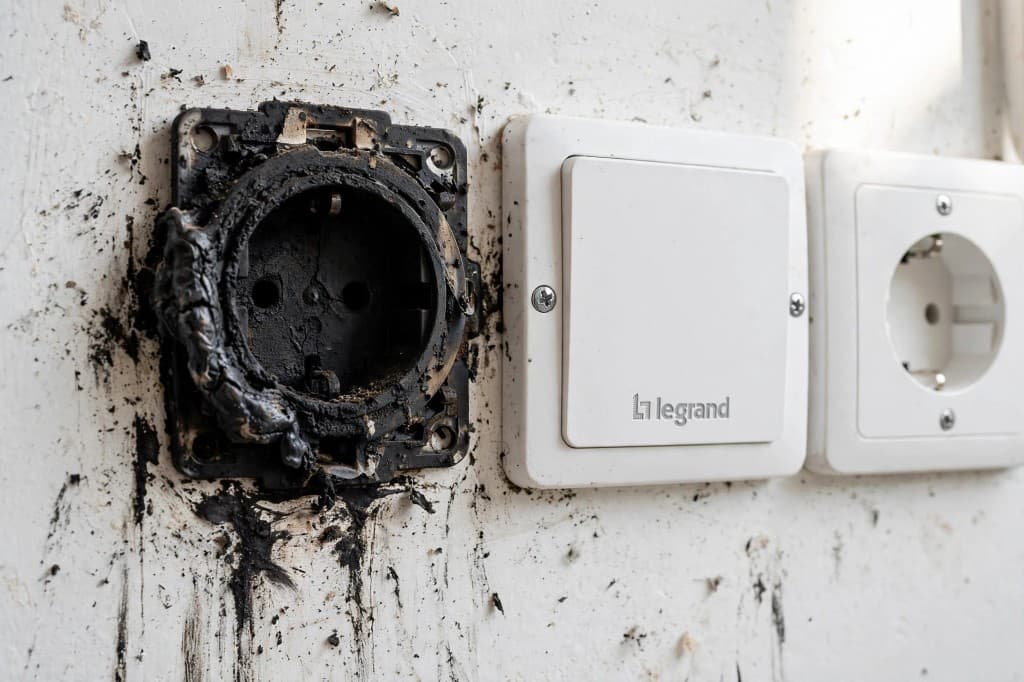
A residual-current device sees what the breaker does not. The breaker waits for heat. The device waits for the small current that escapes to a metal body. When it trips, people think it is being spiteful. It is not. Somewhere is wet, an appliance is leaking to its body, or the device's own test is spinning empty. The estimate for a home job sits between 1,200 and 2,400 TRY. A plant device is not written into this range. I write that on site, after I have seen the panel.

Call a certified electrician
Asian side 24/7 emergency. European side by appointment. Arrival time is confirmed on the call.
Founding master
Adnan Şemiye18 years in the field
MYK-certified master
Adnan Şemiye reads this job in the field. The price is written before work starts.
From the field
Emergency van · +90 582 403 10 8701 / 08
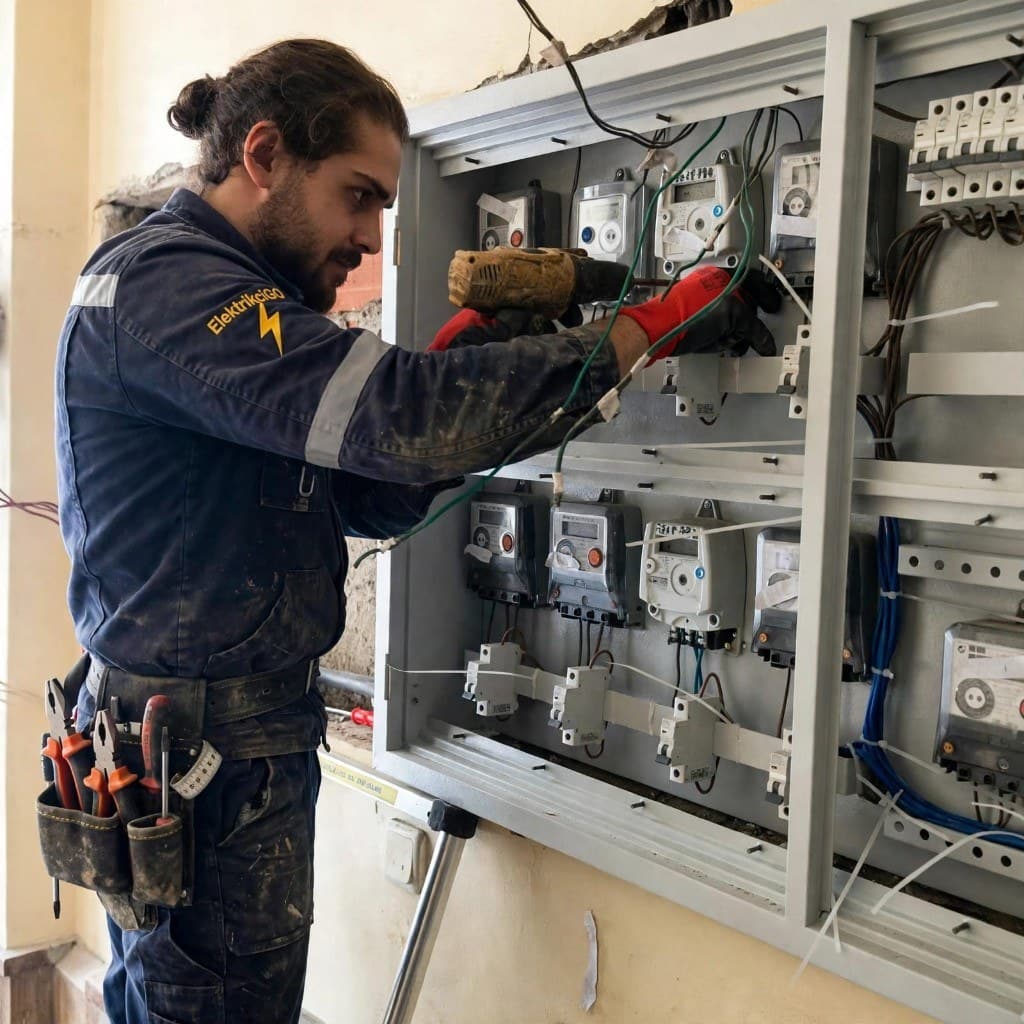
Adnan Şemiye, ElektrikçiGO electrician, fitting an Istanbul meter cabinet
A trip at midnight usually meets the fridge body or a wet bathroom circuit. If it trips while the flat is empty, nobody is at a plug. An appliance is starting on its own. I ask what time it fell, whether there is water in the bathroom, and whether anything happens when you press the test button. If the test spins empty, the device has gone blind. I do not leave a blind device «for now». That device can no longer report a shock. If it changes, it changes at the same threshold. I do not raise the threshold.
Turning a 30 milliamp home device into 300 silences the trip and does not silence the person. Three hundred is another job on some plant panels. I cannot carry it into a home bathroom. The person who does says «it stopped tripping», while the thing that was tripping was the news of a shock. When the news goes, water and electricity stay in the same hand. I do not do that. I do not fit a bridge wire either. A bridge erases the device from the circuit. An erased device becomes an ornament sitting in the panel.
I split it group by group. If the device goes quiet when I drop the bathroom, the fault is there. If it goes quiet when I unplug the fridge, the fault is in the body. If it does not go quiet, the circuit has aged: a socket gasket that took water, or an old junction. I do not blame every socket in turn. I separate the wet room first. I do not change the device before a measurement. A new device lasts a day on a wet circuit, trips again the next night, and you think a bad part arrived. The part is not bad. The leak is still there.
I do not put a megger on while the device is still connected. The person who does burns the device and thinks they measured the leak. I separate the device, I measure, then I put it back. I do not open the cover while it is live. Do not hang on the test button with a wet hand either. The test is pressed once, with a dry hand, while I am watching. Pressing it ten times tires the device and does not find the leak.
1,200 to 2,400 TRY is for a home visit. Splitting groups, writing a blind test, and changing the device at the same threshold sit in this range. Renewing a wet circuit along the wall does not. Neither does the device on a plant panel. For a plant I write the figure after I have seen the panel. I do not lock it on the phone. I say the night difference before I leave. We work as an approved technician network and The arrival window is stated clearly on the call. I also close, politely, the call that asks for a bridge. Closing it politely means I do not fit the wire.
When I finish I press the test button once, I see it fall, I raise it, and I write which group I separated. If the group I separated is the bathroom, you do not put a heater in there that night. If you do, the device is right again and I am thought wrong. I say this at the start. Paint, plumbing and curtains are not part of this job. I close the device and the room of the leak. I leave the wall to you.
If the neighbour is in the dark too, the device is not yours. It is further up the riser. I still separate the flat's device so it is clear whether the fault is in your flat. If it is, I do not mix in the floor above. I write it for the management. If it is not, it is in your bathroom and I do not put the floor above on your invoice. Someone who joins the two invoices in one sentence is selling you a riser they have not seen. I do not sell it.
In the kitchen the dishwasher trips the device after dinner. People call that «the device broke». Most of the time the machine's body is wet, its gasket is leaking, and the device is working correctly. I do not change the device before I unplug the machine. If it goes quiet when I unplug it, the fault is in the machine. I do not repair the machine and I do not do plumbing. I write which appliance is leaking to its body. I do not promise to strip the inside of the appliance. If I entered that promise I would stop being an electrician and start playing a service role. That role is not mine.
In the rain a balcony socket trips the device in the morning. If the socket cover faces outside, rain comes in, the earth pin gets wet, and the device is right. I do not upsize the device before I turn the cover inward. Upsizing does not silence the rain. It silences the news of the rain. I do not hand the balcony socket off to the earth page from here. If the earth is broken I write that. If the cover faces outside I straighten it here. If the two jobs meet on the same cover I write two lines. I do not bury one inside the other.
If the washing machine starts at night and trips the device, I look at the earth tongue of the plug before I blame the machine. If the tongue was cut, the body is guilty, not the device. Bringing the tongue back is the earth job. Here I only write that the device was right. I do not change a device that was right and come a second time because «the new part tripped». A second visit shows the wet gasket is still there. I do not change the gasket. I write you the person who will change it. I do not bury it in my invoice. I do not bury it because a water gasket is not an electrical range. The range 1,200–2,400 is a home visit. The gasket, the plumber, paint and curtains stay outside this range. I separate the job that stays outside, politely. I do not keep it inside with a bridge wire.
I do not count the job finished because the test button turned. A turning button shows the coil is sound. It does not show the circuit is dry. I see whether it is dry by separating group by group. While I separate them I do not leave the bathroom in the same sentence as the kitchen, or the balcony with the fridge. If I did, the fridge would go quiet at night and you would blame the device. The blame is not on the device. It is on a wet end. I do not close that end with a bridge. Closing it ignores the news of the thirty milliamp. Ignored news gets mixed in the morning with the neighbour's darkness. If the neighbour is dark, the fault is on the riser. I do not write it on the flat's device.
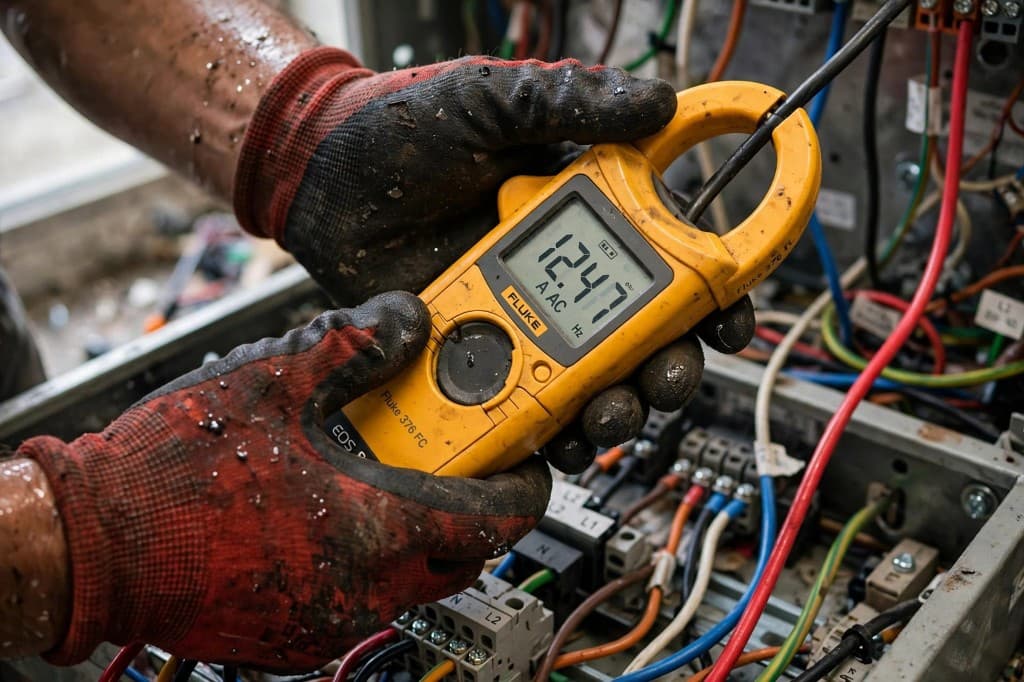
If the neutral does not pass through that circuit's device, the trip is a lie. If the load's neutral is taken from somewhere before the device, the clamp sees the current on the phase and the device takes the same current for a leak. The device falls as soon as the lamp lights. I do not change the fallen device and call it bad. I seat the neutral on that circuit's own outgoing screw. If two 30 mA devices sit in the same panel, each circuit's neutral returns through its own device. I do not gather both neutrals onto one bar under the devices and say I tidied it. A gathered neutral drops the bathroom device when the kitchen runs. There is no leak in the kitchen. The neutral is in the other device's hole. I put the clamp around the phase and the neutral together. With both inside the clamp, a sound circuit sits near zero. If the clamp shows the load current, one conductor has stayed outside. I do not sneak that conductor to the main bar to stop the trip. If I did, the device would sit in the panel as an ornament and the body would stay empty.
If the clamp sits on the phase alone it reads the load, not the leak. I do not see ten amperes and say the leak is large. The leak is the small number read when the two conductors are together. A sound home circuit sits at a few milliamps. A circuit that approaches fifteen enters the thirty when an appliance starts at night, and the device falls with reason. I do not change the device before I write that appliance. The new device sees the same number on the same circuit and falls again the next night. If the label says LINE, the supply is that screw. If it says LOAD, the flat is that screw. I do not assume from habit that the top is the supply and the bottom is the load. On some bodies the test circuit lives only on the LINE side. When the test spins empty I look at whether the tails sit on the label before I call the body blind. If they do not sit, I do not turn it round and say it is fixed. I write the label, and I press the test once after that.
If the body says AC, the device sees only a plain sine. The fridge drive, the dishwasher board and an LED driver leak a pulsating direct current. A type AC falls on the test button, because the button sends a plain sine inward. When the button turns I would think the device is sound, while it does not see the leak from the board. If the home has these loads, the body becomes type A and the threshold stays 30 mA. Making the letter A into 100 or 300 chooses silence, not sight. Type B is the car charger and the solar inverter. That job is not written into this 1,200–2,400 visit. On a Schneider or Siemens body the letter sits beside the 30 mA mark. I do not fit the same empty AC body before I read the letter. If I did, it falls again at night and you say the new part is bad. The part is not bad. It is standing in front of a leak it cannot see.
If the building inlet has 300 mA and the letter S above it, that device is for fire and it has to be delayed. The flat's 30 falls before it. If the two fall together, the one upstairs is not selective. It is a plain 30. I do not make the flat into 300 to silence upstairs. I write the two labels side by side. A sound 30 falls between half the leak and the full value, roughly 15 to 30 milliamps. A device that falls at a few milliamps on a dry circuit is tired. The tired one changes at the same threshold. If the loads are electronic, type A comes. The letter S means a delay. It does not mean raising the threshold. A 30 mA marked S is not fitted in the flat. The flat falls at once. A delayed flat device waits while the hand is on the body. The S upstairs and the instant 30 downstairs do not get mixed. If they are mixed, both fall and the note does not say which floor fell. I do not raise the threshold. The work does not leave Istanbul. Gebze is not written from this page.
The band below is the published 2026 list. It is an estimate. The binding figure is written on site after measurement, and the work starts after that.
The bands below are the labour ranges actually seen on recent call-outs and exclude materials. The binding figure is given in writing after on-site measurement, and no work starts without approval.
| Job | Typical price range | What is included |
|---|---|---|
| Fault diagnosis and measured survey | 750 TRY – 1,500 TRY | Diagnosis with a True-RMS clamp, megohmmeter and thermal camera; the survey fee is deducted if the repair is accepted. |
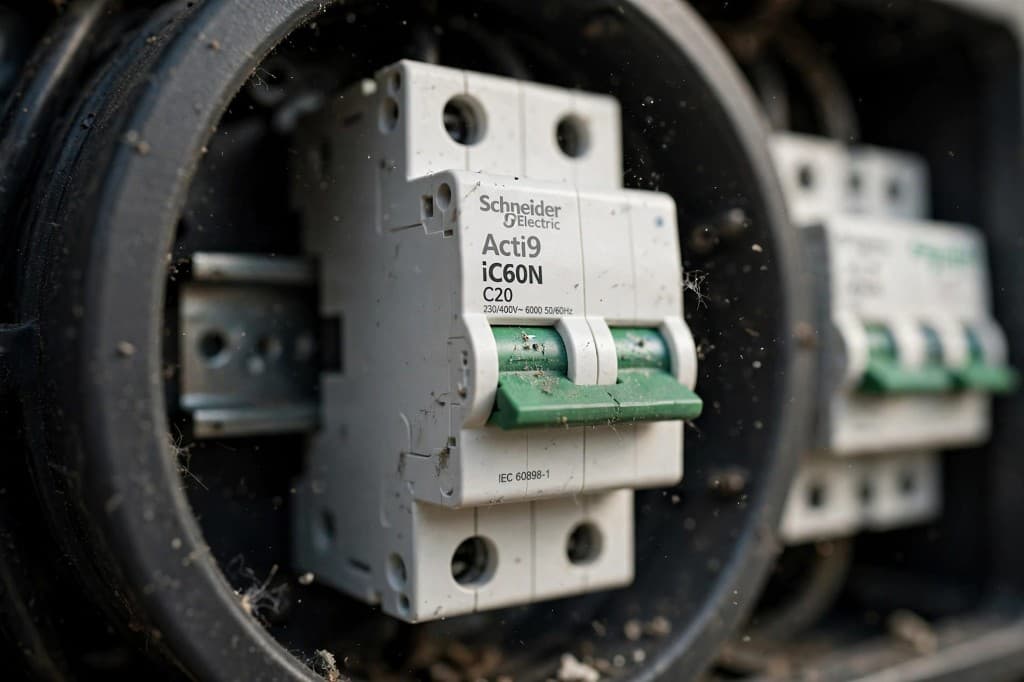
| Breaker / RCD replacement | 1,250 TRY – 3,200 TRY | A 30 mA Type A device; varies with the number of ways and whether Schneider or Siemens is specified. |
| Dedicated air conditioning circuit | 2,400 TRY – 5,500 TRY | 3x2.5 or 3x4 mm² solid copper with a C20-C25 breaker; varies with run length and trunking route. |
| Flat board renewal (modular DIN) | 6,500 TRY – 16,000 TRY | Varies with room count, circuit splitting and whether a surge arrester is included. |
| Chandelier, spot and socket installation | 650 TRY – 2,800 TRY | Priced per unit; heavy chandeliers include a steel anchor set into structural concrete. |
| Internet and Cat6 data cabling | 1,100 TRY – 4,200 TRY | Includes a Cat6 run per room, an RJ45 data outlet and verification with a cable tester. |
| Factory / power factor periodic maintenance | 4,500 TRY – 18,000 TRY | By panel and step count; includes a thermal sweep and a written measurement report. |
Prices are estimated labour ranges and exclude materials. A binding quote is issued in writing after the technician measures on site and before any work begins. Last updated: October 2026.
Service covers the neighborhoods of Istanbul's 39 districts. Not the whole of Turkey. A survey is not a binding quote.
No. A bridge ornaments the device. It does not protect.
In a home the news of a shock goes away. A plant device is another job. It is not carried into the bathroom.
Usually the fridge body or a wet bathroom. Note the time.
An appliance is starting on its own. Nobody is at a plug.
The device is blind. I do not leave it for now. It changes at the same threshold.
The leak is still there. I do not call the part bad.
No. It burns the device. I separate it first.
No. Once, with a dry hand, while I watch.
It will not be pressed.
Not on the group I separated. The device would be right again.
The riser is further up. I still separate the flat's device.
If the fault is not yours I write it for the management. I do not join the two invoices.
A home visit, splitting groups, a change at the same threshold. Not a renewal along the wall.
I do not write it in this range. I write it when I see the panel.
No. I do not open it live.
A separate rate. I say it before I leave.
Yes. No promised minute.
Not from me.
I do not fit the wire. I close it politely.
No. I do not lock a price on a device I have not seen.
No. If the device goes quiet when I unplug it, the fault is in the machine. I do not promise to strip its inside, and I do not do plumbing.
The cover is facing outside. I do not upsize the device before I turn the cover inward. Upsizing silences the news, not the rain.
If the earth is broken I write it. If the cover faces outside I straighten it here. Two jobs are two lines.
Usually the wet body of the dishwasher. I unplug the machine before I change the device.
No. I write which appliance is leaking. I do not take on stripping the inside of the appliance.