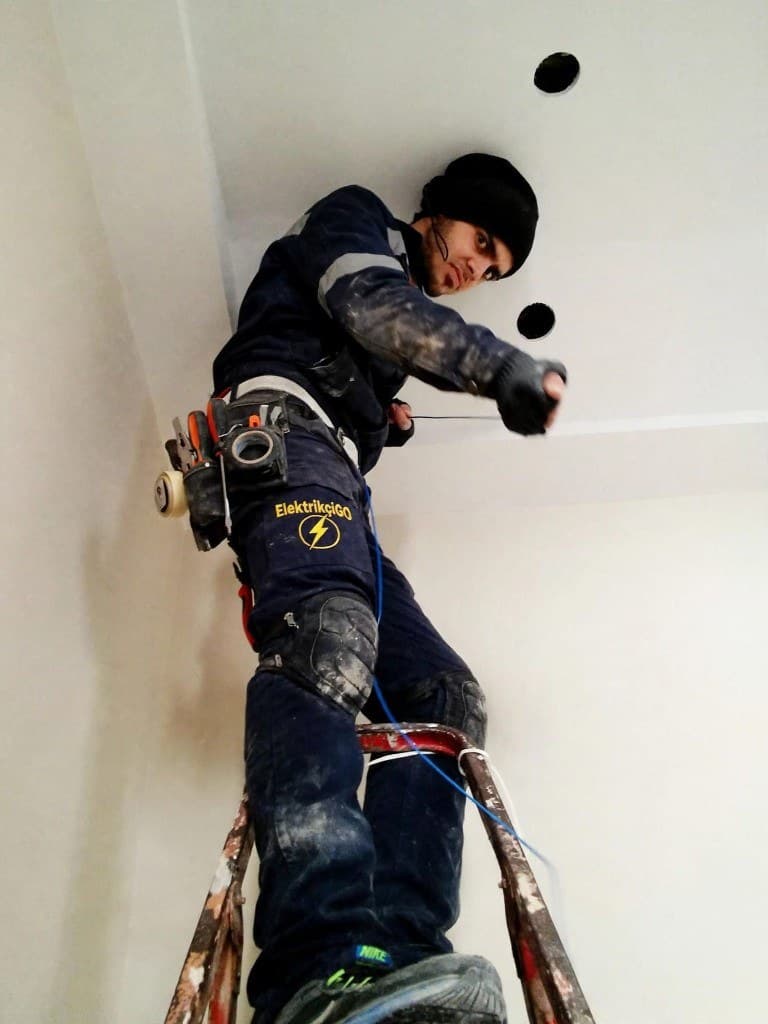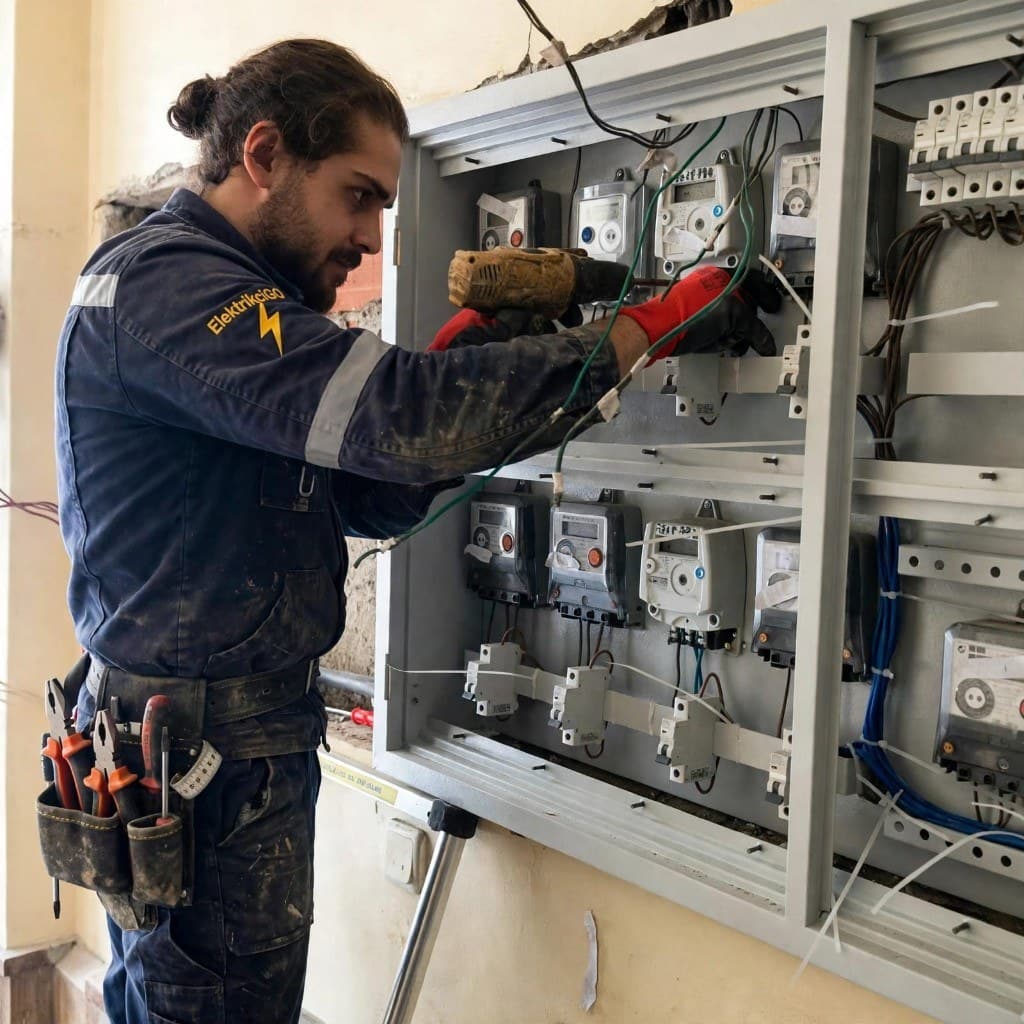
Founding master
Adnan Şemiye18 years in the field
MYK-certified master
Adnan Şemiye reads this job in the field. The price is written before work starts.
November 2026 updated price and service guide
Districts
Maltepe 24/7 emergency electrician. We respond without a minute promise to midnight breaker tripping, residual current device faults, burnt sockets and consumer unit failures. Certified technicians across Cevizli, Küçükyalı, Altayçeşme, Bağlarbaşı, Girne, Zümrütevler, Esenkent, Fındıklı, Gülsuyu and Yalı, faults proven by True-RMS measurement, written price approval and an official 1 year workmanship guarantee.
Founding master
Adnan Şemiye18 years in the field
MYK-certified master
Adnan Şemiye reads this job in the field. The price is written before work starts.
From the field
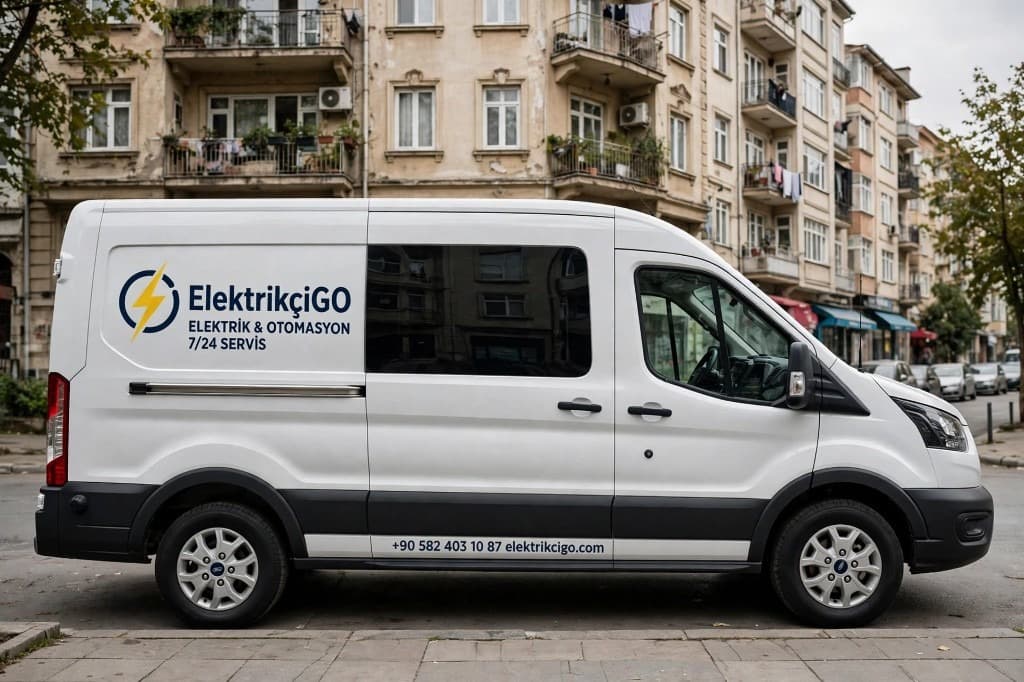 Emergency van · +90 582 403 10 87
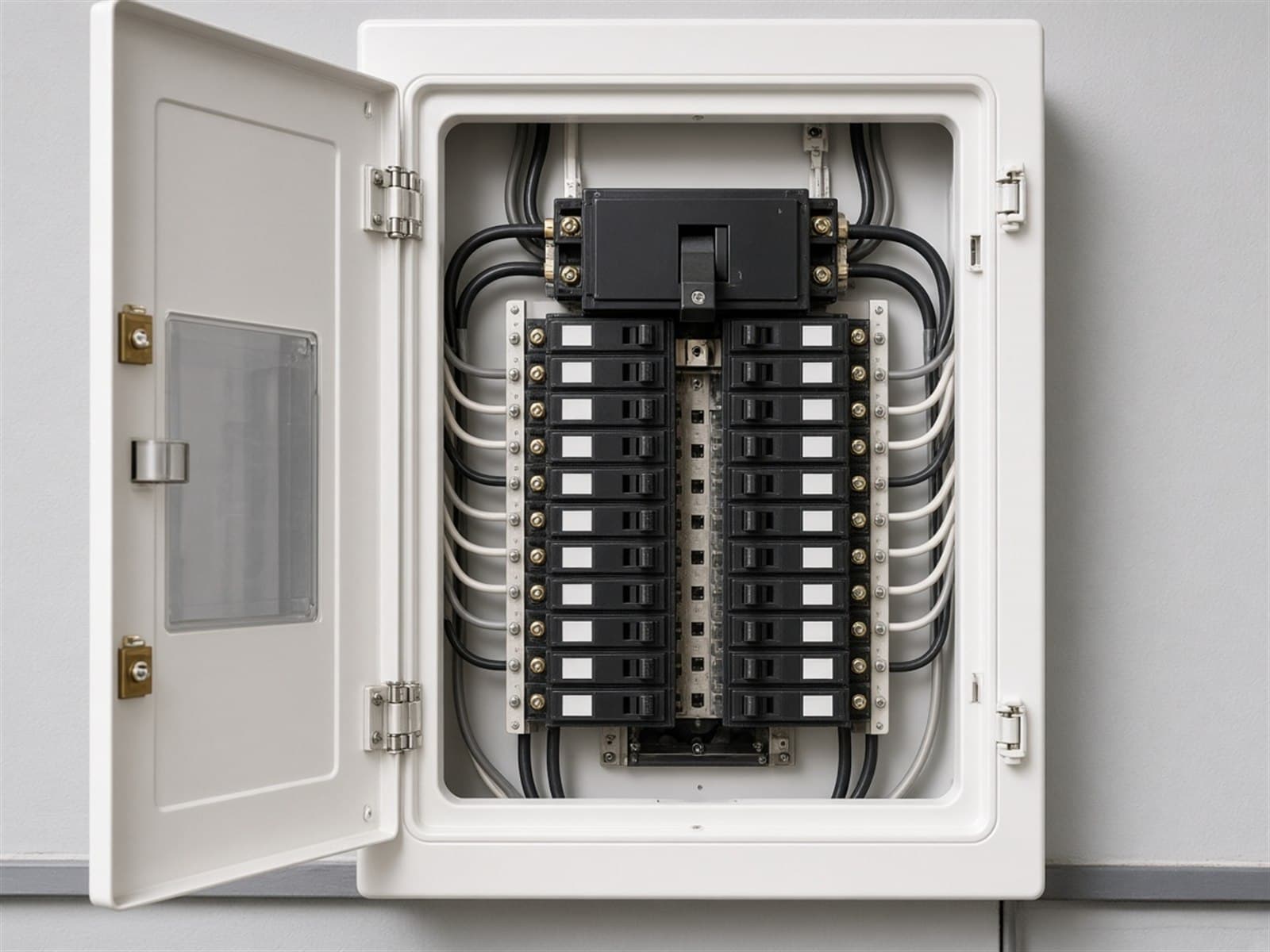
In the newer flats of Zümrütevler and Esenkent, electric underfloor heating mats in bathrooms and kitchens are common. A heating element nicked by a drill during renovation, or taking on damp beneath the screed, trips the residual current device specifically while the heating is on. Because the fault disappears when the heating is off, customers rarely find the cause and assume the device itself is defective.
The element is disconnected from the thermostat and its insulation resistance measured with a megohmmeter, proving the leakage truly originates in the mat. The damage point is narrowed down with a thermal camera and only that area opened for a splice; the whole floor is not broken up. The thermostat is renewed together with its floor sensor and the circuit moved behind its own 30 mA device. The repair uses a manufacturer-approved heat-shrink splice kit, because ordinary sleeving soon takes in water under screed damp and the fault returns at the same point. The cross-section of the mat supply is verified against the heating power and the measured insulation resistance written onto the service report for the customer.
In the unventilated internal bathrooms of Cevizli and Altayçeşme, shower steam leaves condensation in the ceiling junction box over the years. The terminal connection takes on damp, leakage current climbs steadily and eventually the device trips after every shower. A damp junction box looks normal to the eye; the fault can only be proven with a megohmmeter and thermal measurement.
The box is dried, terminals renewed and the connection encapsulated in dielectric silicone gel. An IP44 moisture-proof luminaire and a damp-rated extract fan are fitted, the fan wired not in parallel with the lighting but through a run-on timer so it keeps working after the shower. That dries out the root cause of the condensation.
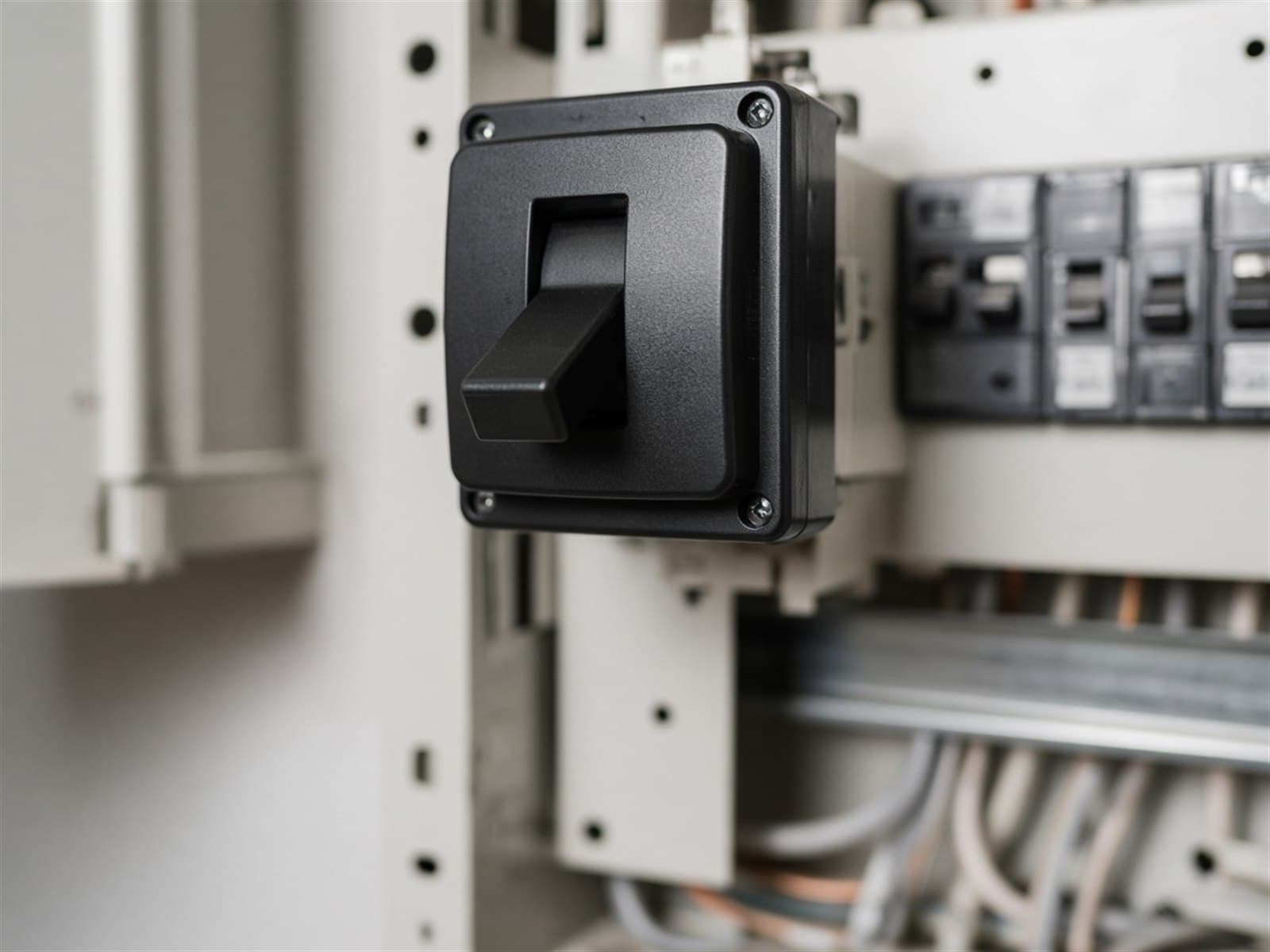
In Küçükyalı and Fındıklı the main boards sited in the basements of seafront buildings face high humidity. Rust forms on the enclosure, green oxide on the busbar face and white salt deposits on breaker terminals. The oxidised surface raises contact resistance and starts heating, while simultaneously lowering insulation resistance and creating leakage current.
The board is locked out with a LOTO kit, busbar and terminal faces cleaned back with dielectric solvent and a protective conductive compound applied to the copper. The enclosure is upgraded to a gasketed IP54 body with an anti-condensation resistive heater and ventilation grille added inside. Every terminal is tightened with a torque wrench and a measurement report left on site.
In cheaply renovated flats in Bağlarbaşı and Girne, copper-looking cable with an aluminium core, known as CCA, has been used. Its current carrying capacity is roughly sixty percent of solid copper at the same size and it cold-creeps in terminals over time, loosening and heating. Cable labelled 2.5 mm² frequently measures closer to 1.8 mm² in reality.
To identify it, the cable end is cut and the cross-section measured with a micrometer while the conductor colour is checked at the cut face. Any branch found to be CCA is not patched but renewed from board to outlet with TSE-certified solid copper cable from makers such as HES, Öznur or Prysmian. At completion the drum label and batch number of the cable used are documented to the customer with photographs.
On night calls across Maltepe our first priority is not to repair the whole home but to get the critical loads running safely. On winter nights a dead boiler is a serious risk in households with children or elderly residents, and in summer a stopped refrigerator means lost food. After isolating the faulty leg at the board, the technician brings the boiler, refrigerator and lighting circuits back within the first ten minutes.
The boiler is afterwards always moved to a dedicated circuit with its own breaker, because a single faulty socket sharing that leg will stop the boiler at midnight in winter. Noisy chasing and breaking work for the permanent repair is scheduled for the next working day and the temporary line left safely inside fire-retardant trunking.
In the former squatter-conversion areas of Gülsuyu and Yalı, the post-meter installation has grown over the years through unqualified additions. Overhead crossings, taped splices, connections thrown into wall voids instead of junction boxes and sockets with no earth all exist side by side. Repairing a single point in such an installation does not deliver lasting safety.
First the insulation resistance of the whole installation is measured branch by branch with a megohmmeter and a condition report produced. That report prioritises which legs need urgent renewal and which can be planned. Urgent legs are renewed the same day in fire-retardant cable, a 30 mA Type A device and earth busbar added to the board, and the remainder phased to suit the customer's budget.
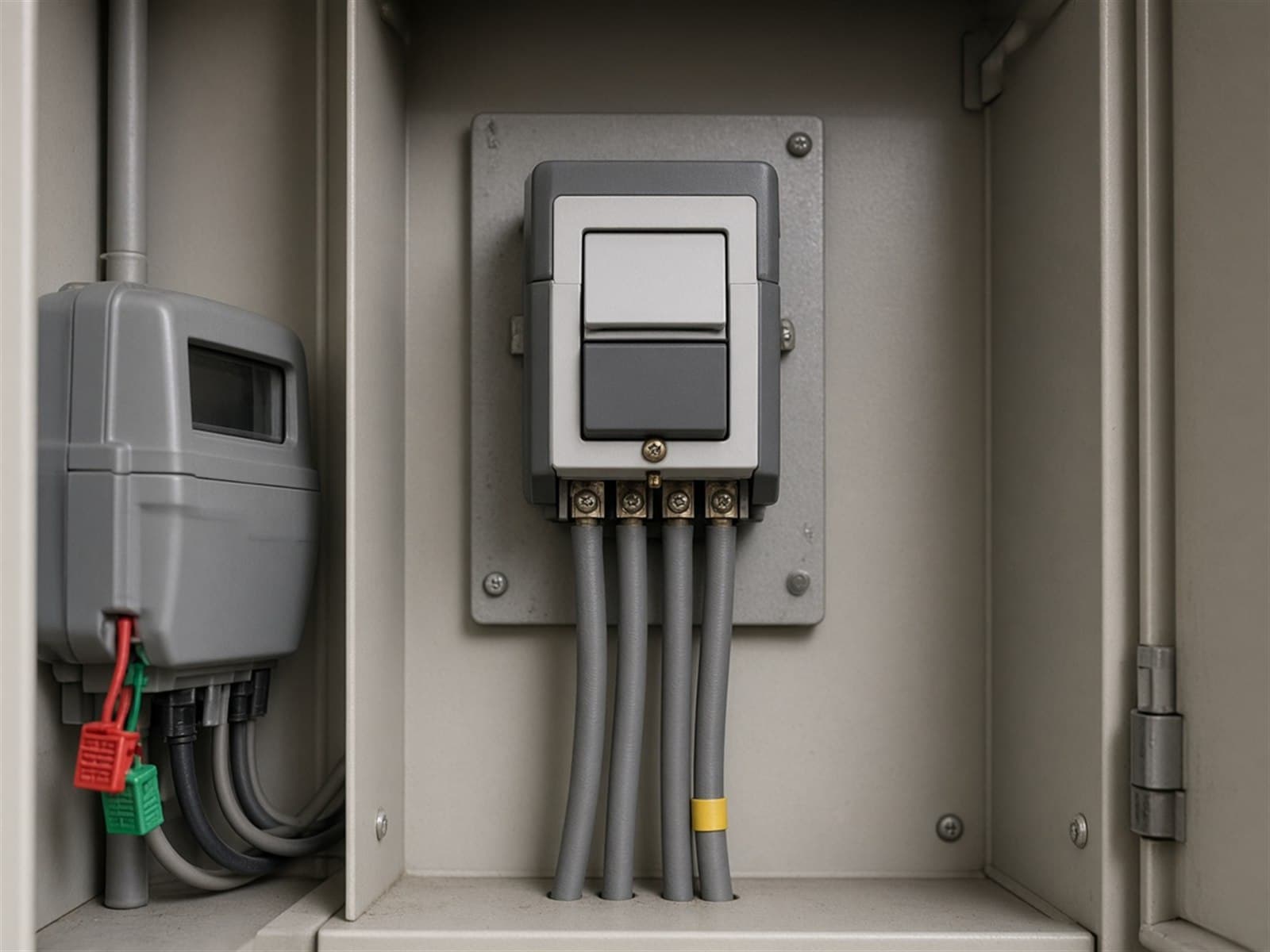
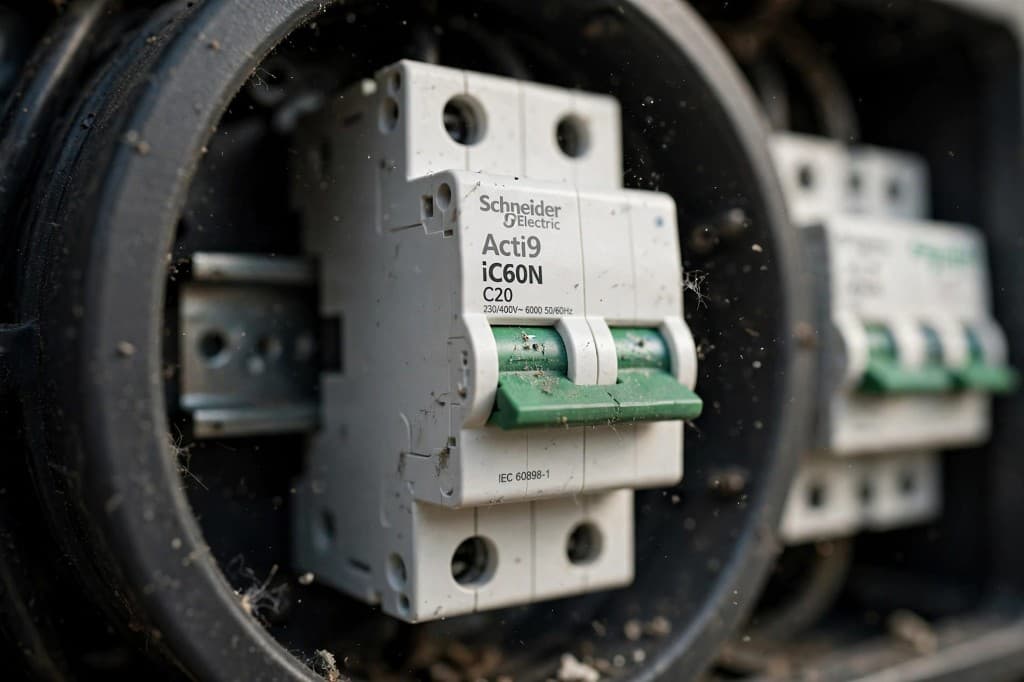
Apartment sub-boards receive switchgear rated at a minimum 6kA and building intakes 10kA breaking capacity. In a hard short circuit the prospective fault current reaches thousands of amperes within milliseconds; budget 3kA devices cannot quench that energy, weld their internal contacts together and rupture, throwing hot fragments outward. Breaking capacity is read from the boxed figure printed on the breaker body.
Protection stages are cascaded selectively: a 30 mA Type A life-safety device in the flat board and a 300 mA time-delayed Type S fire protection unit at the building intake. With that cascade a single socket leak trips only the affected flat instead of blacking out the whole block, while melting cable insulation is cleared by the 300 mA device before a fire starts. The cascade is built not on current threshold alone but on tripping time as well; delaying the upstream stage guarantees the downstream one opens first. After installation the trip current and trip time of both devices are measured with a dedicated tester and the values written onto the service report.
When water from the floor above fills a concealed conduit and ceiling junction box, the wall surface itself becomes conductive and touching damp masonry or a metal back-box carries a fatal shock risk. Keep clear of the board, isolate power at the building intake, then branches are isolated one by one with a digital megohmmeter, dielectric drying is applied and insulation resistance re-measured.
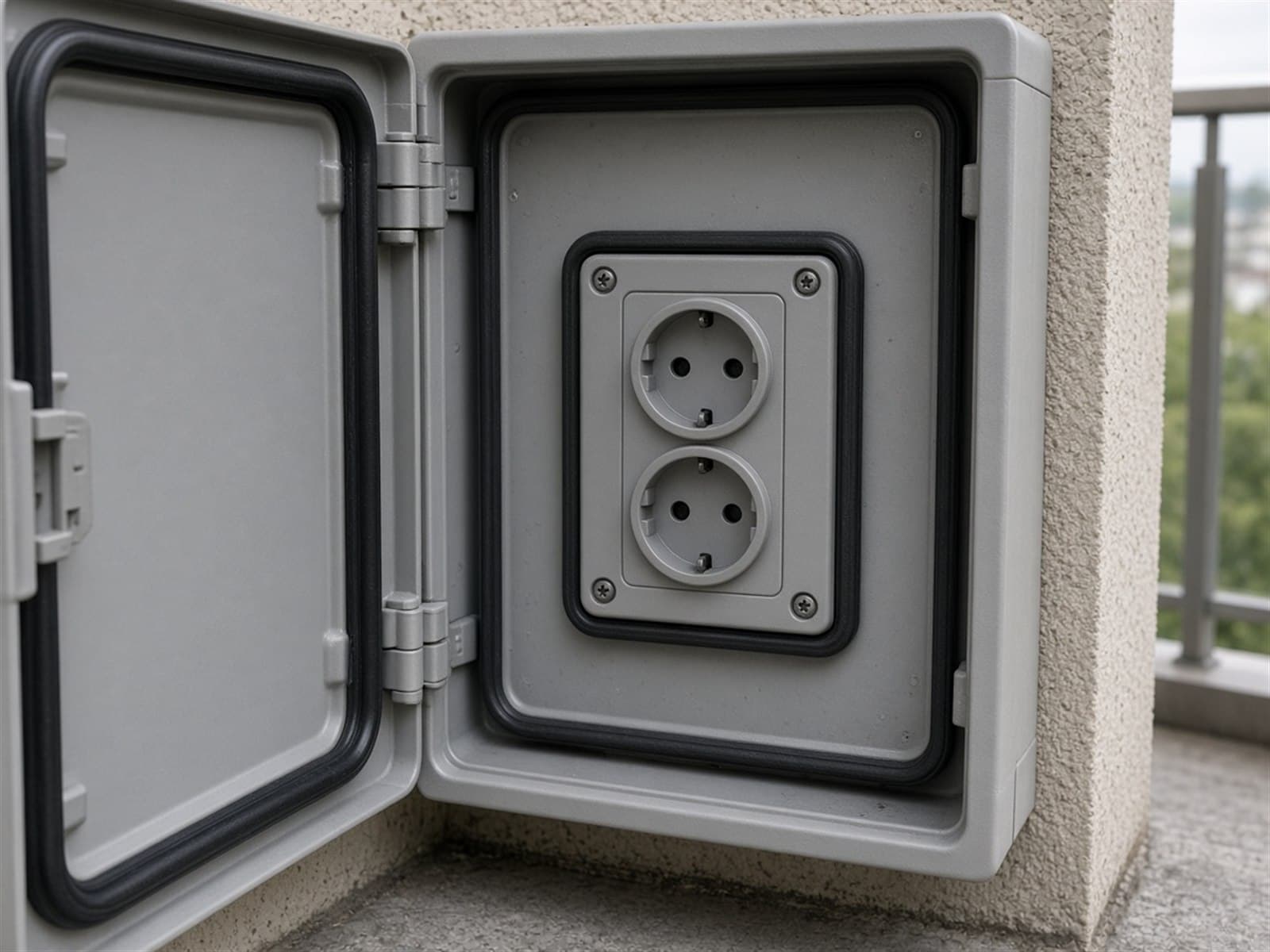
In wet rooms such as bathrooms and kitchens, socket and junction ingress protection is raised to IP54, and outdoors on balconies and in gardens to IP65; box interiors are encapsulated with dielectric silicone gel so moisture contact is permanently eliminated and the residual current device stops tripping. A soaked circuit is never re-energised before it dries; drying continues until insulation resistance reads at least 1 Megaohm. Where the water originates on the floor above, no electrical repair lasts until the plumbing is fixed, so the building management is notified in writing.
In a Zümrütevler flat, the whole-home residual current device began tripping the moment the bathroom underfloor heating was switched on. Arriving in twenty minutes, our technician disconnected the element from the thermostat and measured 0.3 Megaohm insulation resistance with a 500 V megohmmeter, confirming damaged cable. Briefly energising the heating under a FLIR thermal camera narrowed the abnormal hot spot to a forty centimetre area in front of the bathroom door. Only that section of screed was opened, the damaged element repaired with a manufacturer-approved heat-shrink splice kit and the floor made good. The circuit was commissioned with a new thermostat and its own 30 mA Type A device, with a final insulation reading of 220 Megaohm.
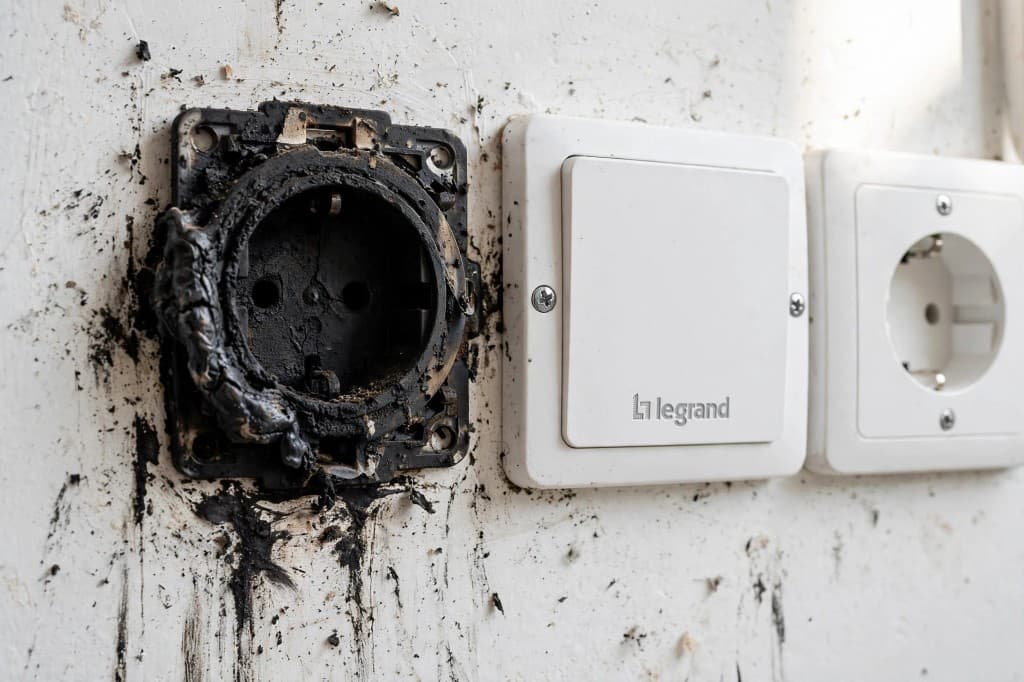
The burnt components removed during the callout were shown and handed to the customer, while the box and barcode of the original switchgear fitted in their place were attached to the service report. All work is under a 1 year guarantee.
In a Bağlarbaşı flat renovated six months earlier, the living room sockets were reported to be heating up with deformed face plates. Opening the back-box within twenty-two minutes of arrival, our crew saw grey aluminium beneath the copper colour at the conductor end, confirming CCA cable. Micrometer measurement showed the conductor labelled 2.5 mm² actually measured 1.82 mm². The terminals were loose and blackened from cold creep. The living room and kitchen branches were fully renewed from board to outlet in TSE-certified HES solid copper 3x2.5 mm² cable, all junctions closed with Wago 221 terminals, and the drum label of the cable used handed to the customer with photographs.
After the repair the whole installation was tested circuit by circuit, lighting and socket groups loaded separately for verification, and maintenance recommendations left with the customer in writing.
With dispatch coordinated from our Pendik hub and GPS-tracked vans patrolling the main Maltepe corridors, average arrival is no fixed minutes. When the technician departs, their name, vehicle plate and a live tracking link are sent by SMS or WhatsApp.
No, the whole floor is not broken up. First the element is disconnected from the thermostat and measured with a megohmmeter to prove the leakage comes from the mat. The heating is then briefly energised and a thermal camera narrows the abnormal hot spot, usually to within half a metre. Only that area is opened and repaired with a manufacturer-approved heat-shrink splice kit.
In damp basements rust is not merely cosmetic. Oxide on busbar and terminal faces raises contact resistance and causes heating while lowering insulation resistance and creating leakage. Surfaces can be cleaned and a protective conductive compound applied, but if the enclosure is perforated the board must be upgraded to a gasketed IP54 type. Adding an anti-condensation heater inside prevents recurrence.
The cable end is cut and the exposed cross-section examined. In CCA cable, grey aluminium shows beneath the copper plating. The cross-section is also measured with a micrometer; cheap cable labelled 2.5 mm² usually comes out around 1.8 mm². If that is found, the circuit is not patched but renewed from board to outlet in TSE-certified solid copper, and the drum label is documented for you.
Yes. Our mobile crews are on duty 365 days a year including public and religious holidays. On holidays the fault is still proven by measurement, the price submitted for written approval and a signed service report handed over on completion; no test is skipped because it is a holiday.
No, upsizing the device only hides a fire risk. A tripping breaker proves there is an overload or insulation fault on the circuit. Our technician measures line current with a True-RMS clamp meter and insulation resistance with a megohmmeter, then splits the overloaded branch and runs a dedicated circuit with protection matched to the conductor.
Yes. Maltepe is covered on Saturday, Sunday, public holidays and at night. On the Anatolian side the on-call run starts from Pendik. Arrival depends on traffic and the queue; no minute is promised. A night or holiday difference is stated on the phone before anyone sets off.
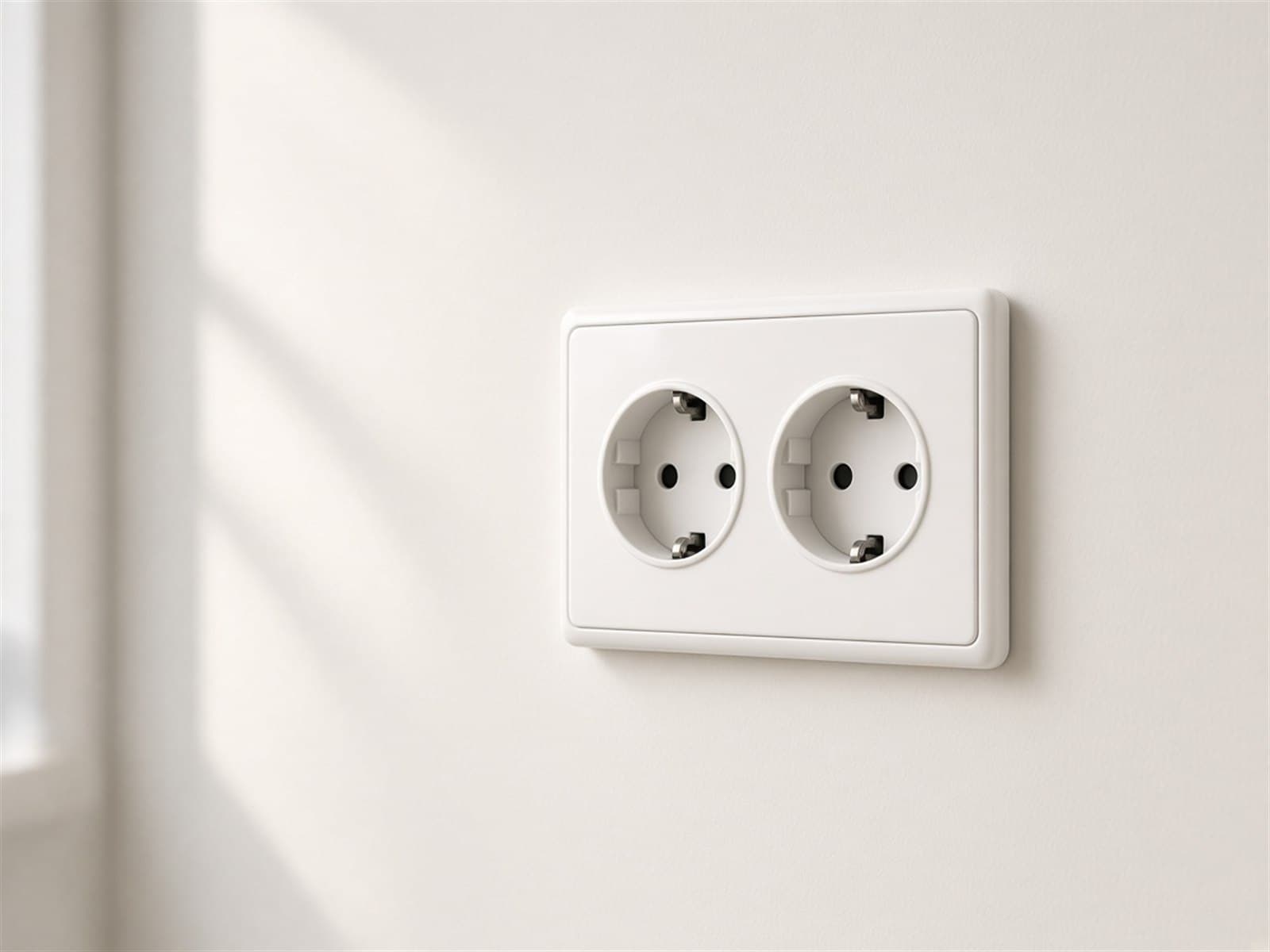
A loose screw connection has carbonised the terminal. Take that outlet out of service at once; the point is found with a thermal camera without opening the wall.
Diagnosis sits in the 750–1,500 TL band. The job line is written from the 2026 table after measurement.
Fix and priceBranches are separated one by one at the board and the device reset; if it holds the fault is in the wiring, if not it is the device. The faulty leg is confirmed with a megohmmeter.
Diagnosis sits in the 750–1,500 TL band. The job line is written from the 2026 table after measurement.
Fix and price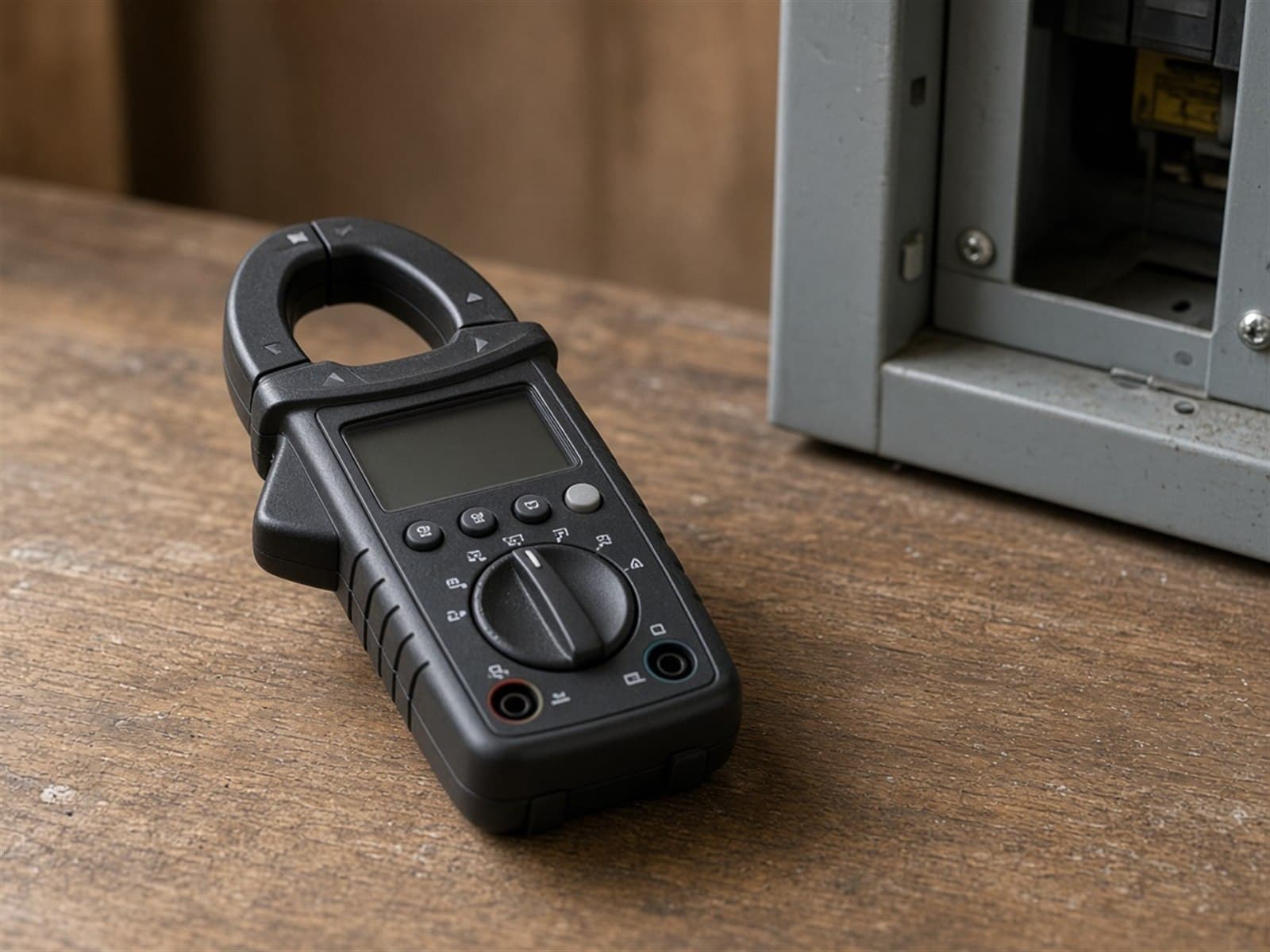
If the building is dark, the record belongs to 186. If only the flat is dark, the fault is after the meter: one phase is missing or the neutral has broken. On neutral loss one phase climbs above 250 volts and another falls to 180.
Diagnosis sits in the 750–1,500 TL band. The job line is written from the 2026 table after measurement.
Fix and price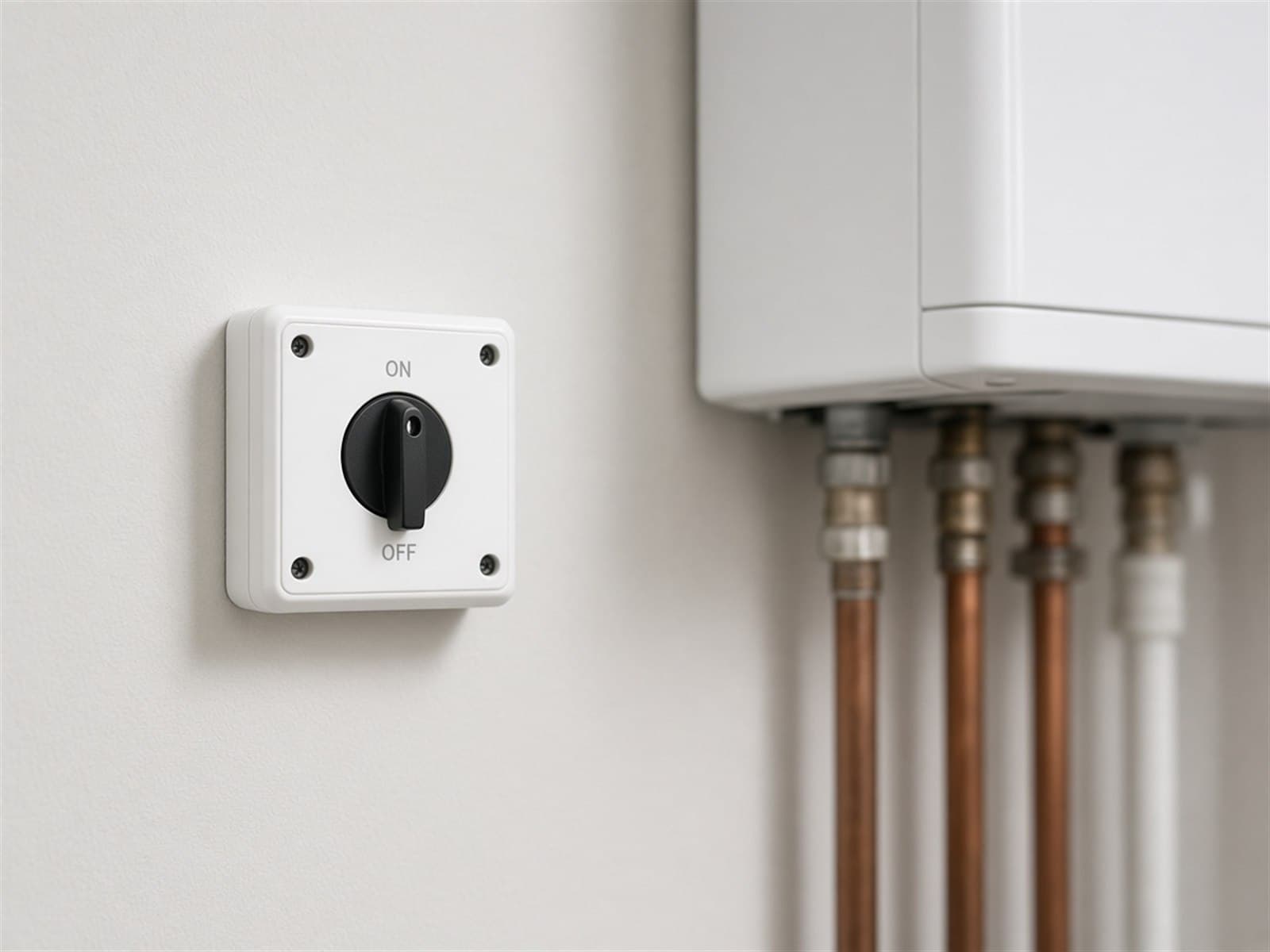
Inrush exceeds the existing circuit. The fix is not a bigger breaker but a dedicated run from the board with a motor characteristic device.
Diagnosis sits in the 750–1,500 TL band. The job line is written from the 2026 table after measurement.
Fix and price
The chandelier is fixed to the existing box and a load-rated hook. If the hook is not anchored in the slab, it is not hung. Live, neutral and earth are confirmed separately; the body is never put on phase.
Diagnosis sits in the 750–1,500 TL band. The job line is written from the 2026 table after measurement.
Fix and price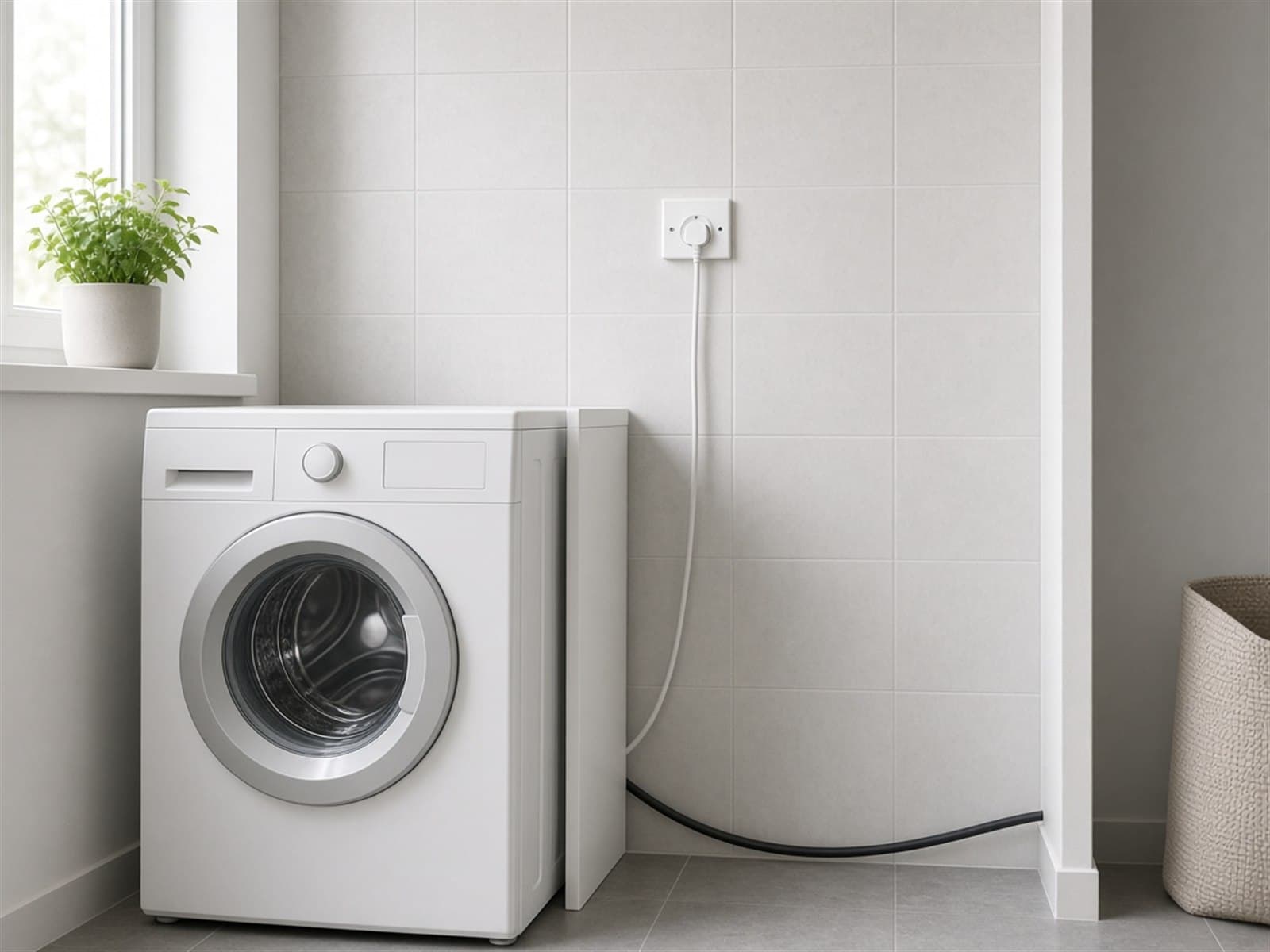
There is no protective earth and the neutral is bridged to the earth terminal in the socket. This is a lethal risk; stop using the appliance immediately.
Diagnosis sits in the 750–1,500 TL band. The job line is written from the 2026 table after measurement.
Fix and priceOn Maltepe call-outs the team follows the sequence below. No arrival minute is promised. The technician's name is given on the phone before anyone sets off.
The bands below are the labour ranges actually seen on recent call-outs and exclude materials. The binding figure is given in writing after on-site measurement, and no work starts without approval.
| Job | Typical price range | What is included |
|---|---|---|
| Fault diagnosis and measured survey | 750 TRY – 1,500 TRY | Diagnosis with a True-RMS clamp, megohmmeter and thermal camera; the survey fee is deducted if the repair is accepted. |
| Breaker / RCD replacement | 1,250 TRY – 3,200 TRY | A 30 mA Type A device; varies with the number of ways and whether Schneider or Siemens is specified. |
| Dedicated air conditioning circuit | 2,400 TRY – 5,500 TRY | 3x2.5 or 3x4 mm² solid copper with a C20-C25 breaker; varies with run length and trunking route. |
| Flat board renewal (modular DIN) | 6,500 TRY – 16,000 TRY | Varies with room count, circuit splitting and whether a surge arrester is included. |
| Chandelier, spot and socket installation | 650 TRY – 2,800 TRY | Priced per unit; heavy chandeliers include a steel anchor set into structural concrete. |
| Internet and Cat6 data cabling | 1,100 TRY – 4,200 TRY | Includes a Cat6 run per room, an RJ45 data outlet and verification with a cable tester. |
| Factory / power factor periodic maintenance | 4,500 TRY – 18,000 TRY | By panel and step count; includes a thermal sweep and a written measurement report. |
Prices are estimated labour ranges and exclude materials. A binding quote is issued in writing after the technician measures on site and before any work begins. Last updated: October 2026.
Zümrütevler
Underfloor heating pinpoint repair
Cevizli
Shop board refrigeration separation
Küçükyalı
Basement board IP54 upgrade
Bağlarbaşı
CCA cable detection and circuit renewal
Whatever we are called out for, before leaving we measure your board at five points and leave the result in writing. It is the cheapest way to see a developing fault before it stops anything.
All breaker and terminal temperatures under load with a FLIR thermal imager; every point above seventy degrees is recorded.
The 30 mA residual current device trip time measured in milliseconds with a dedicated tester.
Voltage between neutral and earth; more than a few volts indicates a loose neutral or a bootleg ground.
Earth resistance read with a digital earth tester and assessed against the 2 Ohm target.
Breaker ratings against conductor size; anything above a C16 on a 1.5 mm² run leaves the cable unprotected.
Fully stocked mobile vans: every vehicle carries Schneider and Siemens breakers, 30 mA Type A devices, surge arresters, solid copper cable drums and junction box sets, so most jobs finish on the same visit.
Service covers the neighborhoods of Istanbul's 39 districts. Not the whole of Turkey. A survey is not a binding quote.
18 / 18 · Residential neighborhoods sit first.
Google Review
Your review is how neighbours searching for an emergency electrician in your area find us. One tap opens the Google review page; there is no account to create and no form to fill in.
Current rating: 5.0 / 5.0 · 2 verified reviews
Leave 5★ On Google