Founding master
Adnan Şemiye18 years in the field
MYK-certified master
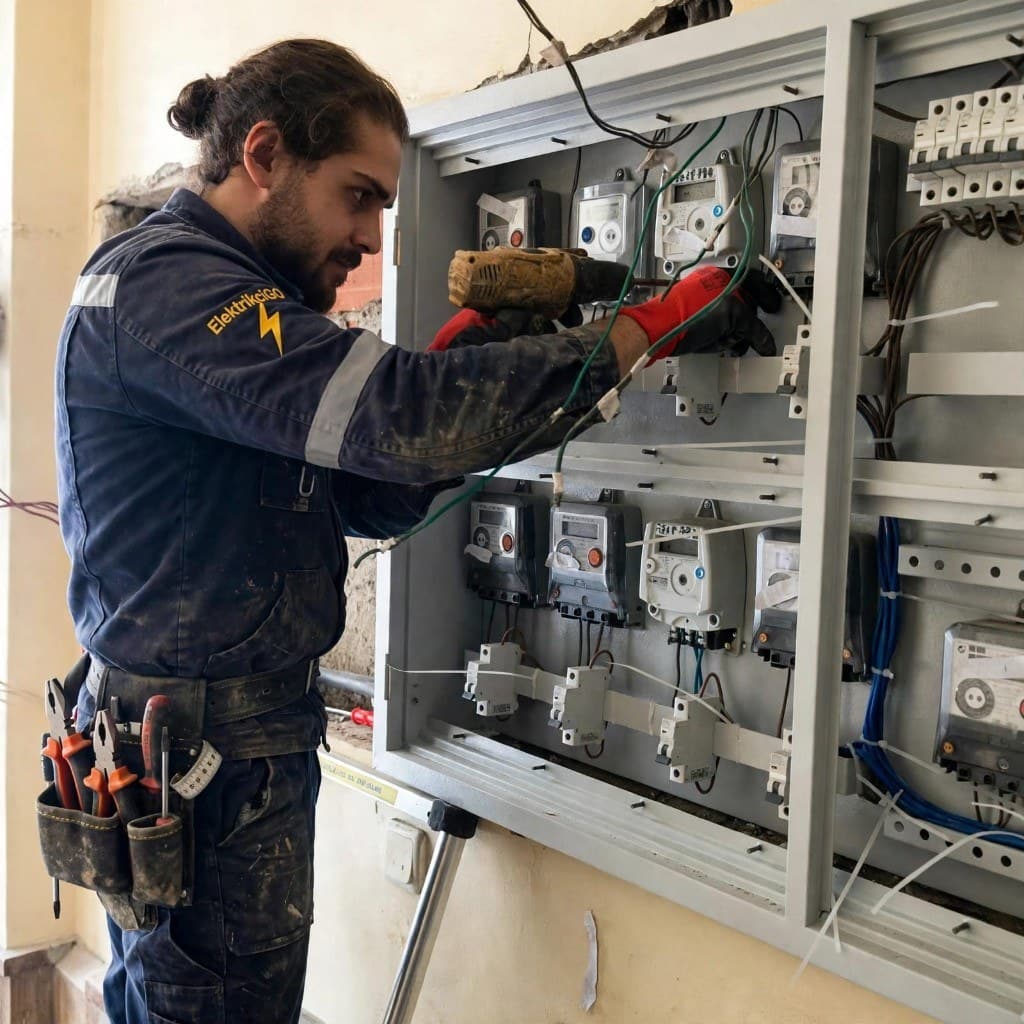
Adnan Şemiye reads this job in the field. The price is written before work starts.
Maltepe district
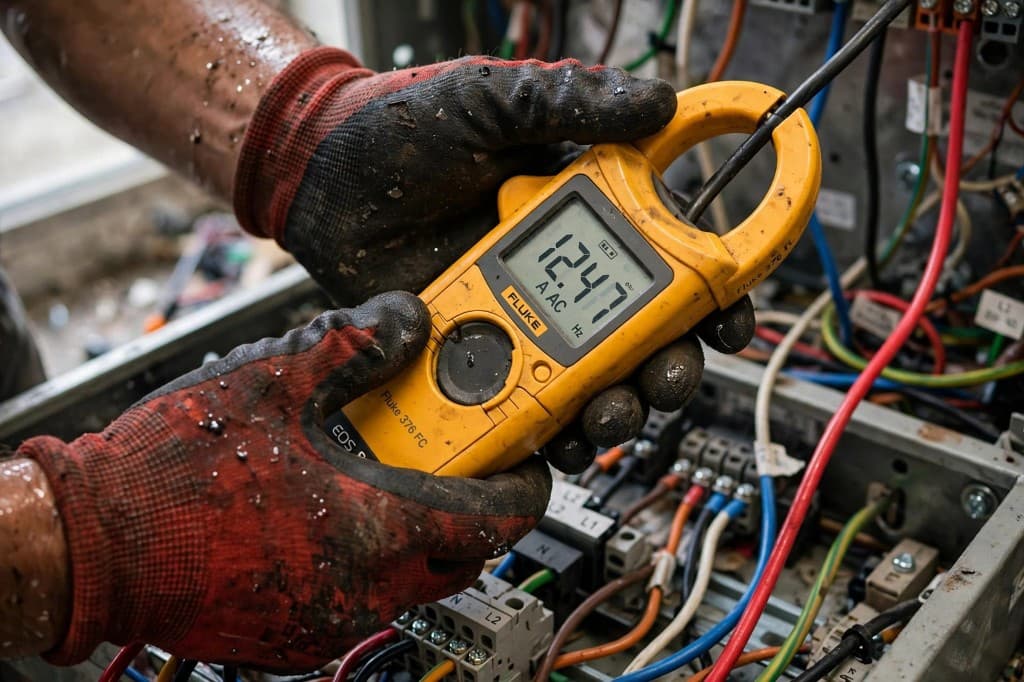
Gülsuyu 24/7 emergency electrician. In this Maltepe neighbourhood we respond without a minute promise to midnight breaker tripping, residual current device faults, burnt sockets and consumer unit failures. In apartment and complex stock, saturated kitchen circuits, bathroom water heater runs and riser overheating are measured on site. Certified technicians, faults proven with a True-RMS clamp meter and a megohmmeter, written price approval and an official 1 year workmanship guarantee.

Founding master
Adnan Şemiye18 years in the field
MYK-certified master
Adnan Şemiye reads this job in the field. The price is written before work starts.
From the field
Emergency van · +90 582 403 10 87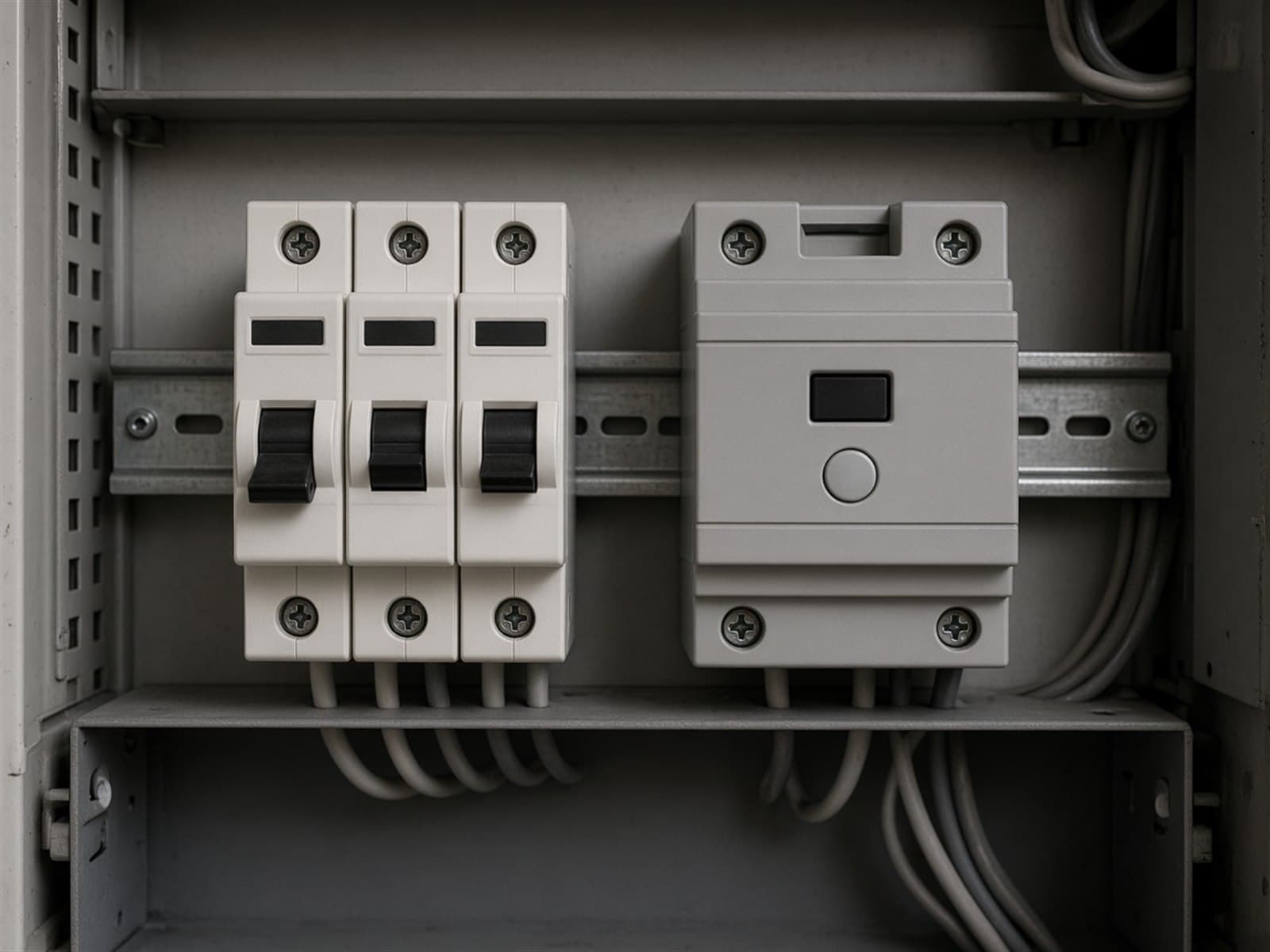
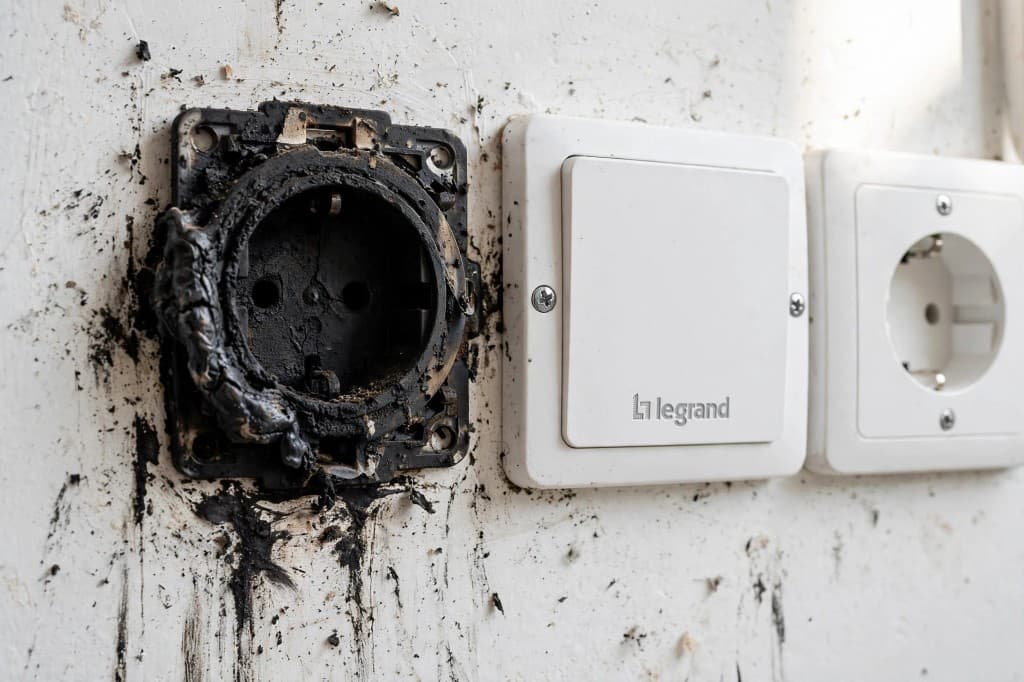
The call from Gülsuyu usually starts like this: 'In the evening, with the TV on, there was a pop from behind, then thick soot and a burning-plastic smell. The living-room breaker tripped. We reset it and it tripped again at once. One corner of the power strip behind the TV has blackened, and its red light has gone out.' Sometimes the description is quieter: 'For a few days the RCD has been tripping now and then. When we unplug the power strip it does not trip.' These two descriptions are two different ends of the same part. A power strip usually contains three varistors: one between phase and neutral, one between phase and earth, one between neutral and earth. If the phase–neutral varistor wears out and turns into a short, that is a direct phase–neutral short circuit; the breaker trips and trips again on every reset as long as the strip stays plugged in. If the phase–earth varistor starts to leak, that is leakage current; as the leakage approaches 30 mA the RCD drops now and then, and in the end constantly. The blackened corner and soot show the varistor heated and split its body. The indicator lamp going out is, on many strips, the only sign that the protection no longer works; but most users never look at that lamp. The first step is to switch off the living-room socket circuit at the panel before unplugging the strip, not touch the blackened strip with bare hands, not plug it back in, and keep the breaker off until the survey.
A varistor is a voltage-dependent resistor made of zinc-oxide grains. Those used in power strips are usually chosen for a continuous operating voltage of about 275 V. Mains is 230 V RMS and about 325 V at its peak. A new varistor passes almost no current even at that peak; when the voltage rises a few hundred volts more, its resistance falls quickly and it takes the surge's energy and turns it into heat. The problem is that this work is not free. Every surge leaves a small damage at the boundaries between the zinc-oxide grains. Over the years the damage adds up: the varistor's clamping voltage slides down and its leakage at normal voltage rises from microamps to milliamps. A nearby lightning strike, transformer or capacitor switching on the network, the starting and stopping of lift, booster-pump and air-conditioning motors in the building are the sources of these surges; on a hillside with overhead lines and old risers they come more often. At some point the leakage reaches a level that heats the varistor at normal voltage too. A heating varistor's resistance falls further, more current passes, it heats more. This is thermal runaway, and within minutes it cracks the varistor's body, burns its inside and finally turns it into a short.
Quality protective devices have a thermal disconnector right next to the varistor and thermally coupled to it: when the varistor reaches a dangerous temperature the disconnector opens, the varistor leaves the circuit and the indicator lamp goes out or changes colour. The device no longer protects, but it does not burn either. In most cheap power strips this disconnector is either missing or sits away from the varistor and does not open in time. The result is burning and a short. There is also sustained overvoltage: if the building's neutral breaks or loosens, voltage in some flats can rise to 300–400 V for minutes. A varistor is made for short surges and cannot carry overvoltage lasting minutes; in that case even a sound varistor burns within seconds. That is why a 'surge-protected strip' or an SPD is not protection against sustained overvoltage; that is the voltage protection relay's job. On a socket without a protective conductor, the phase–earth and neutral–earth varistors do nothing; part of the protection the strip promises is not there at all. The breaker and RCD see nothing while the varistor wears; they only act at the end, when a short or a 30 mA leak forms. Until then the heat builds behind the TV, beside the carpet and the curtain, with no one looking.
The survey starts at the panel: which breaker or RCD tripped, which circuit the living-room sockets are on and what else is on that circuit are read. After the line is switched off and dead is proven by measurement, the power strip is unplugged from the wall. The strip's body is checked: a blackened and cracked corner, melted plastic, soot where the varistor sits, an indicator lamp gone out. The label on the strip is read: does it state an energy or surge current value for its protection, does it mention a thermal disconnector, does it carry a standard mark. Then the wall socket is checked, because the burning strip may have heated it too: darkened contacts, a melted cover, looseness in the socket. Then, with the strip and all appliances disconnected, the line is megger-tested at 500 V DC for phase–PE and neutral–PE; it is seen that the line has no lasting insulation fault. If the breaker and RCD hold with the strip unplugged, the source of the fault is proven. The continuity of the socket's protective conductor back to the panel is measured; on a socket without a protective conductor, the point of using a 'protected' strip is discussed. Finally, if an SPD at the panel is being considered, the building's earthing is measured; an SPD is not fitted to a panel whose earth resistance is unknown or that has no earth, because the surge has nowhere to go.
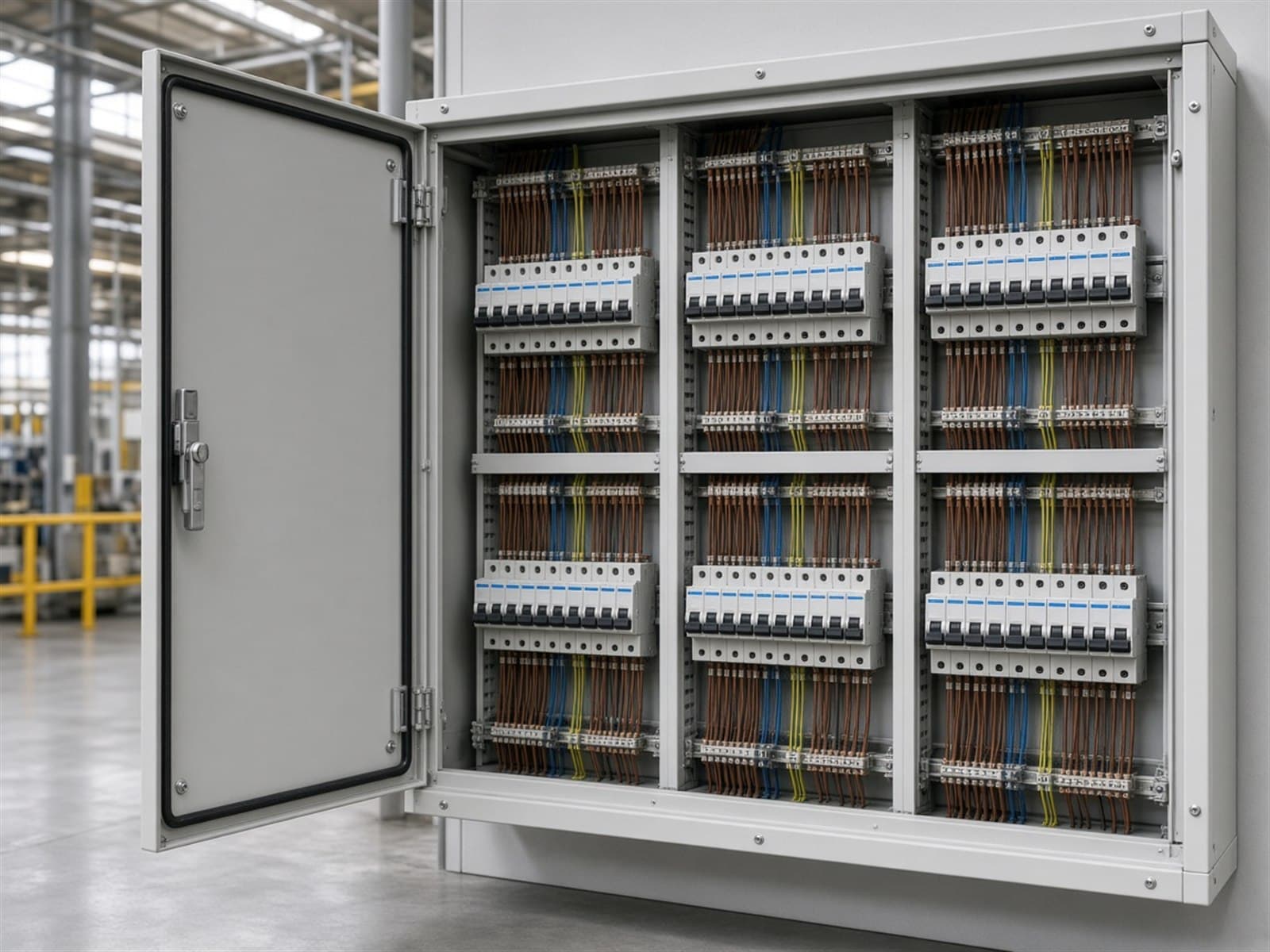
The first step of the repair is removing the burned part. A burned power strip is not opened, its varistor removed and kept in use; a strip without its varistor is only an extension lead, and the burned body, contacts and conductors are heat-damaged. The strip is discarded. If the wall socket was affected by the heat, it is replaced; darkened conductor ends are cut back to sound copper. If some appliances were damaged in the same event, repairing them is the appliance's authorised service's job. The second step, if protection is wanted, is protection in the right place. A DIN-rail Type 2 SPD is fitted at the flat board's incomer, on the load side of the main switch. The SPD is chosen with replaceable cartridges and a window showing each cartridge's state; when the window changes colour the cartridge is replaced, and the SPD is not left because 'it still works'. A model is chosen whose continuous operating voltage suits the mains and whose nominal and maximum discharge currents suit the board's position. In front of the SPD goes its own backup protection, a separate breaker or fuse of the value the maker requires; if the SPD itself turns into a short, this backup disconnects it and the whole flat is not left dark. The SPD's conductors are kept as short as possible; the total length of the phase and neutral connection and the earth connection should not exceed half a metre, because a long lead drops voltage across itself in a surge and raises the voltage the appliances see.
The connection type is chosen according to the RCD. If the SPD goes in front of the RCD, on the supply side, the arrangement with varistors between phase and neutral and a gas discharge tube between neutral and earth is used, known as 1+1 in single phase and 3+1 in three phase; that way nothing leaks to earth in normal operation. If the SPD goes behind the RCD, the discharge current to earth in every surge can trip the RCD needlessly; in that case a surge-resistant or S-type, time-delayed RCD is considered, but the 30 mA protection inside the flat is never removed. The SPD's earth terminal is connected directly to the panel's main earth bar. A Type 2 SPD is aimed at protecting the building's whole internal installation, not just the devices nearest the panel; if extra protection is wanted beside a sensitive device far from the panel, a quality Type 3 device with a thermal disconnector and indicator can be used behind the Type 2. External lightning protection and Type 1 protection against a direct strike on the building are a separate building-scale project. After the repair the line is energised; the cartridge windows are checked, the RCD is tested with its button, and the breaker is seen to hold. The cartridge windows are shown to the owner, who is told to check them once a year. The breaker is not upsized, the RCD is not bridged. Which SPD and which backup protection are needed are written on site at the survey, not guessed on the phone.
The varistor inside wears a little with every surge; its clamping voltage falls and its leakage rises. In the end it conducts and heats at normal mains voltage too and goes into thermal runaway. If a cheap strip has no thermal disconnector to cut it out, the varistor burns and turns into a short.
If the phase–neutral varistor has turned into a short, the breaker trips on every reset as long as the strip is plugged in. If the breaker holds with the strip unplugged, the fault is in the strip. The line is still megger-tested.
No. The body, contacts and conductors are heat-damaged. A burned strip is discarded; if the wall socket heated up, it is replaced too.
A Type 2 SPD protects the flat's internal installation against surges; it should have cartridges and a window, be connected with its own backup protection and leads under half a metre, and the earthing must have been measured. For a sensitive device far from the panel, a quality Type 3 can be added behind it.
Hardly at all. The phase–earth and neutral–earth varistors do not work without a protective conductor. First the socket's protective conductor is measured back to the panel and completed.
There is no fixed minute. Istanbul 24/7. Arrival depends on the queue at that moment and E-5 and TEM traffic. A 30-minute claim is not invented.
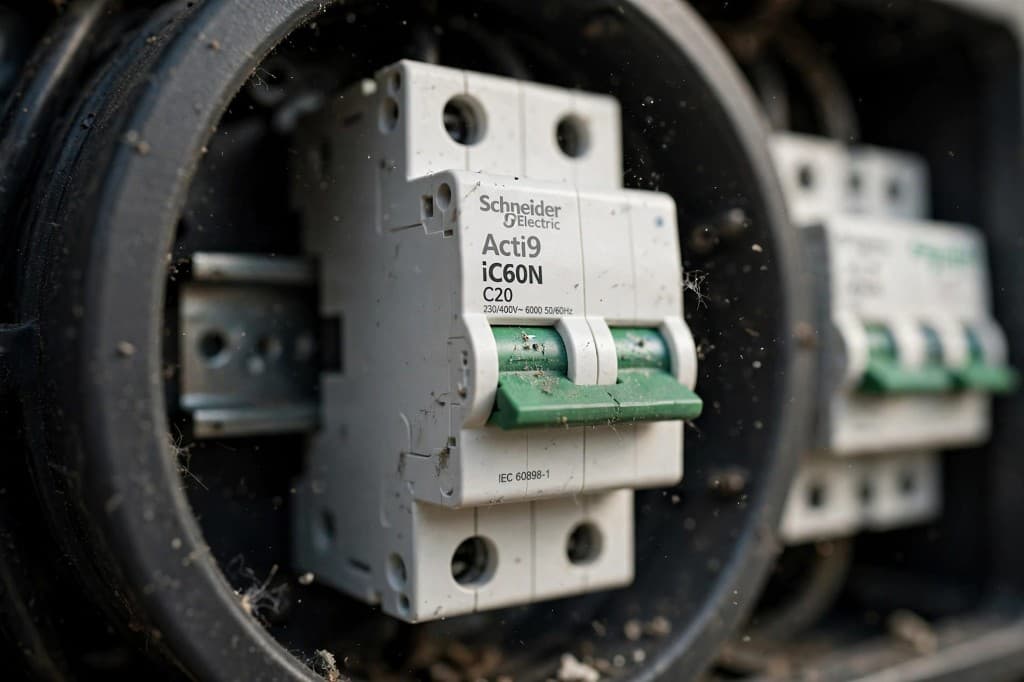
In Gülsuyu we handle everything on the customer side of the meter: breaker tripping and residual current device faults, burnt sockets and terminals, board renewal and breaker replacement, earthing installation with resistance testing, lighting and chandelier mounting, dedicated circuits for boilers and air conditioning, and surge arresters. Measurement uses a True-RMS clamp meter, a megohmmeter and a FLIR thermal imager.
In most cases no. The fault is first narrowed down branch by branch at the board, then pinpointed with a FLIR thermal imager and an inductive cable tracer, so no needless breaking is done. Where leakage is in an underground or under-screed run, a cable fault locator usually narrows it to within a metre and only that area is opened. If breaking is unavoidable it is reported in writing and approved first.
Service covers the neighborhoods of Istanbul's 39 districts. Not the whole of Turkey. A survey is not a binding quote.
Gülsuyu, Maltepe. The map is centered on the neighborhood. Arrival changes with the hour and the traffic.