Founding master
Adnan Şemiye18 years in the field
MYK-certified master
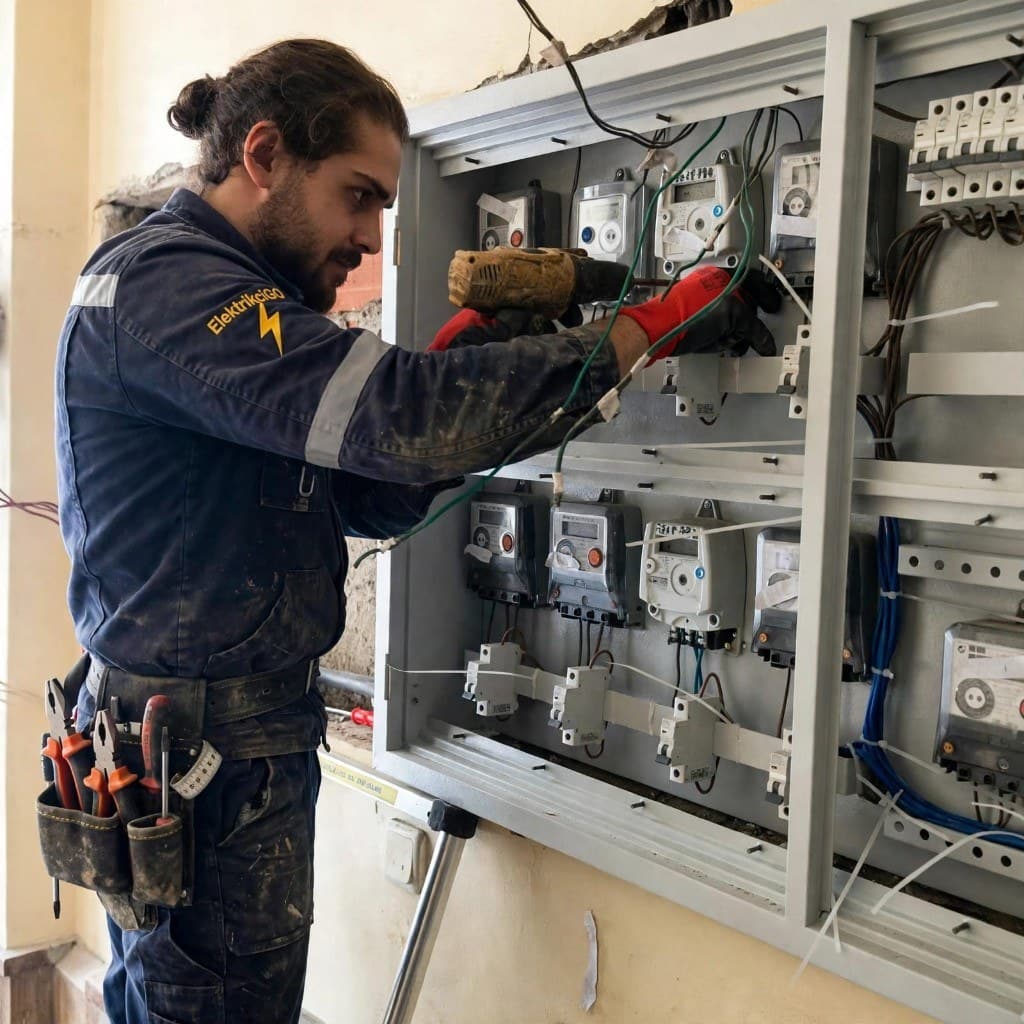
Adnan Şemiye reads this job in the field. The price is written before work starts.
Pendik district
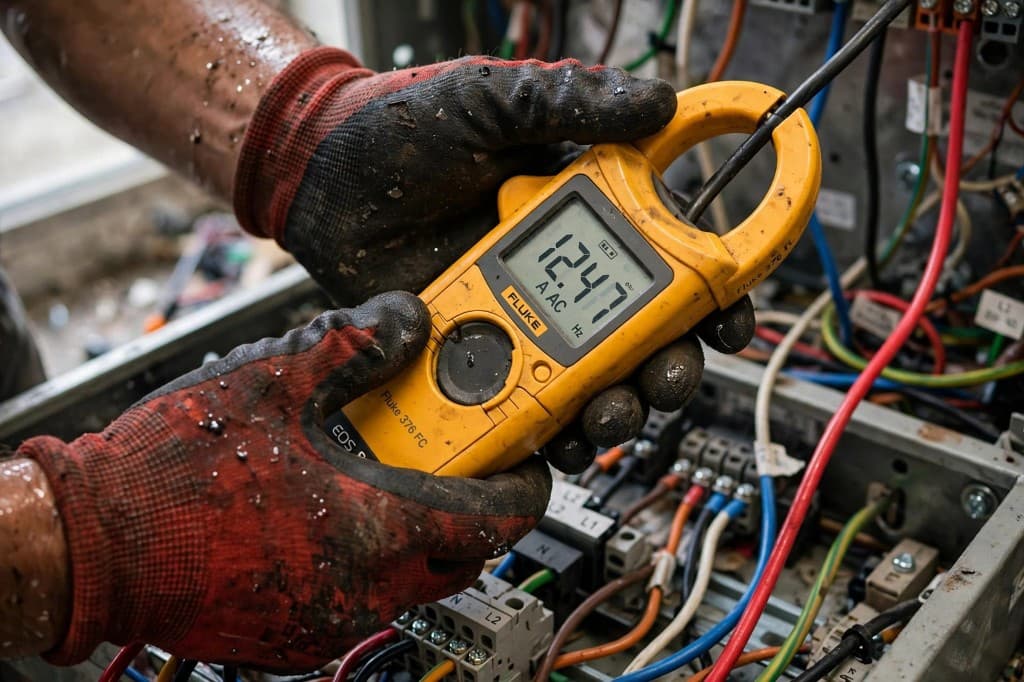
Ballıca 24/7 emergency electrician. In this Pendik neighbourhood we respond without a minute promise to midnight breaker tripping, residual current device faults, burnt sockets and consumer unit failures. In apartment and complex stock, saturated kitchen circuits, bathroom water heater runs and riser overheating are measured on site. Certified technicians, faults proven with a True-RMS clamp meter and a megohmmeter, written price approval and an official 1 year workmanship guarantee.
Founding master
Adnan Şemiye18 years in the field
MYK-certified master
Adnan Şemiye reads this job in the field. The price is written before work starts.
From the field
 Emergency van · +90 582 403 10 87
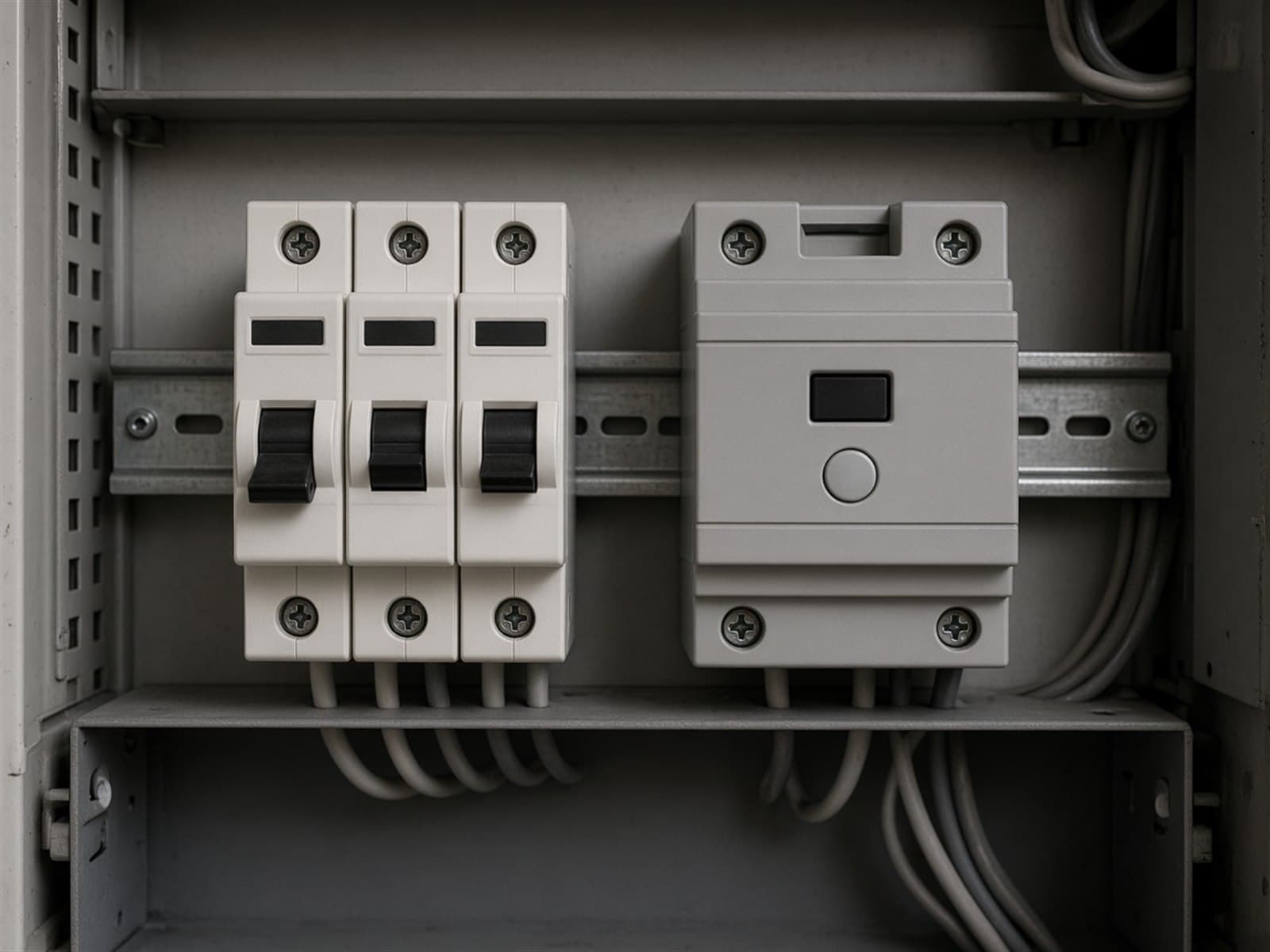
The sentence of a call from Ballıca is always the same: 'When rain starts the whole house goes, I lift the breaker, it trips again; when the rain stops it fixes itself.' That sentence does not point at a kitchen socket or a bathroom light; it points at a line outside that gets wet. A detached house has few wet lines: garden lighting, the doorbell, sometimes an outdoor socket, and on almost every roof the backup resistance of the solar water heater. The resistance line ends beside the tank at the most exposed point of the roof. The cable runs over the tiles, sometimes inside the gutter, sometimes taped down an antenna mast. In most houses it is an indoor PVC-sheathed cable; NYM is for dry indoor and in-plaster runs, H05VV-F is for appliance leads. Neither was chosen to sit in sun and frost for years.
The sun hardens the sheath first; the plasticiser escapes, the sheath turns glassy. At the first hard frost, where it bends over the tile edge, the sheath cracks along its length. The crack is not visible because the cable is pinched under a tile. Rain runs inside the sheath through the crack and flows to the cable's lowest point, the klemens box beside the tank. In most houses that box is missing, or it is a taped joint, or a surface box whose lid has warped in the sun. Water pools around the klemens; phase finds a path through the water to the tank body, from the body to the roof and earth. The moment the leakage passes 30 mA the house's main RCD trips. The resistance does not have to be running; even with the thermostat open the line is live. The rain stops, the roof dries, the leakage falls, the RCD is reset. The owner thinks the fault has passed. It has not; the crack is still there, waiting for the next rain.
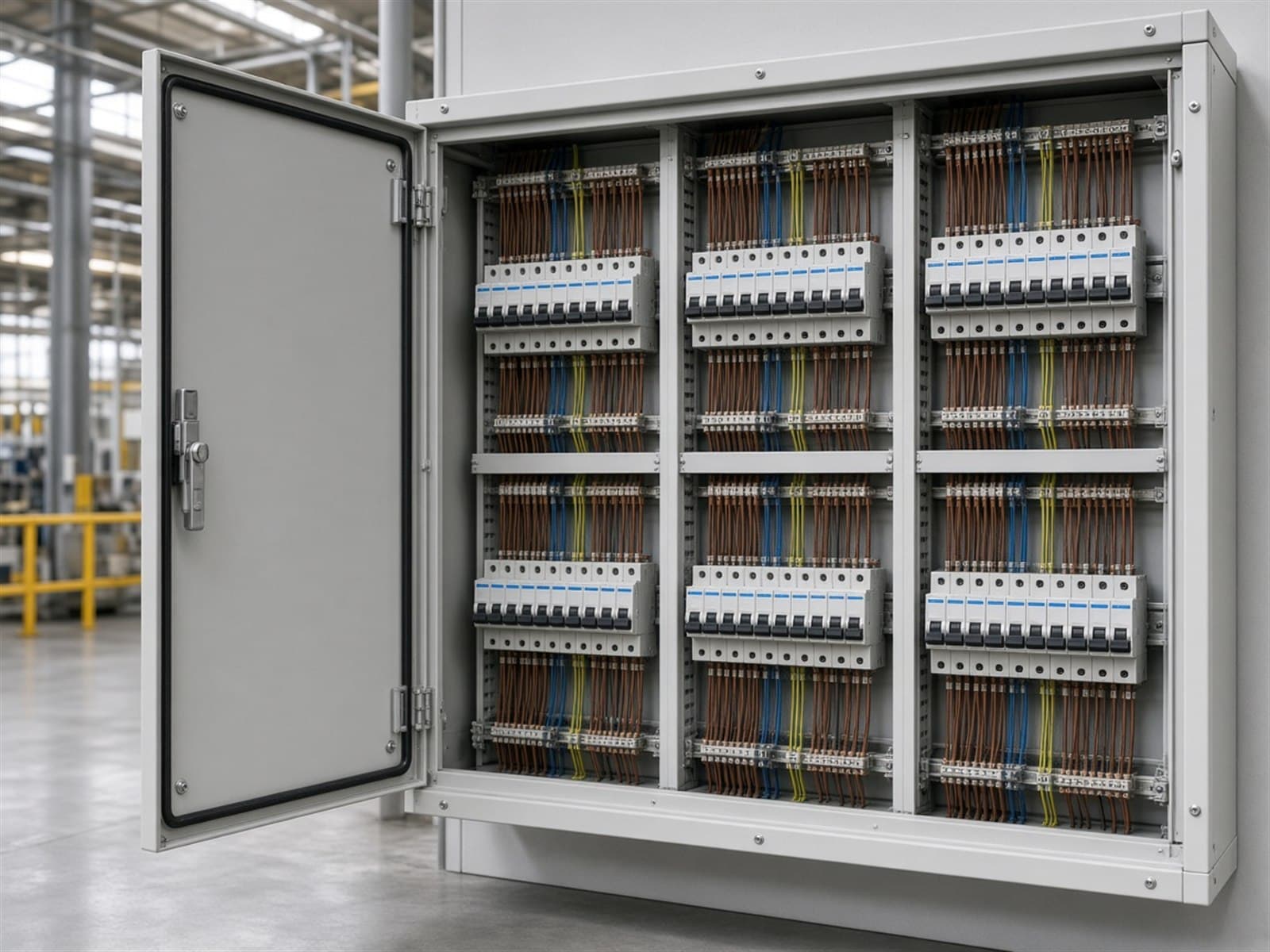
The survey starts before climbing onto the roof. First the panel is read: what mA the main RCD is, which breakers sit under it, whether the resistance line has its own breaker or is tapped in parallel off a socket line. In most Ballıca houses the resistance line has no breaker of its own; it is tapped from the nearest lighting or socket box in the attic. Then the line is isolated. The resistance line is disconnected at the panel and the box, the RCD is reset. If it is raining and the RCD no longer trips, the place is found. If it is dry, insulation resistance is measured: the line is opened at both ends, a megger applies 500 V DC, phase–earth and neutral–earth resistance are read. A sound line reads in the megaohm range; a cracked, damp sheath reads far lower. The resistance element itself is measured separately; if the element leaks to its body the RCD keeps tripping even after the cable is replaced. If the element leaks, the tank's plumber or the solar service replaces it; the electrician's job is the line, the box, the protection and the earthing.
Bridging the RCD, swapping in a 300 mA one or feeding the resistance line ahead of the RCD is not a fix; it is a breach of the trade. The 30 mA RCD is there exactly for this: it protects the person who touches a wet tank body on the roof. If it trips, it is working. Upsizing the breaker is not a fix either; this fault is leakage, not overcurrent, and a breaker does not see it. The 300 mA fire threshold of a Harmandere warehouse sits on that note and does not move onto a house roof. 'Let's cut the resistance, use an electric water heater in winter' is not a survey either; it is the owner's choice, but a faulty line is not left live on the roof.
The repair has three parts, and all three answer the same fault. The first is the cable. H07RN-F is a flexible cable with rubber insulation and rubber sheath, resistant to outdoor use, UV, oil and frost; it is used on sites, outdoors and on moving connections. It replaces the PVC sheath that turns glassy in sun and cracks in frost. For a 2000–3000 W resistance the line is pulled as 3x2.5 mm²; one of the three cores is the protective conductor and is bonded to the tank body. The cable is not bent sharply over a tile edge, not routed through the gutter, not taped to the antenna mast; it is clipped, and its entry into the attic gets a drip loop so water does not walk inside along the cable. The second is the box. The old taped joint by the tank is removed, the connection moves into the attic where rain does not hit directly, and an IP68 watertight box is used; the cable enters through a gland of the right diameter, and the klemens stays inside. IP68 is the continuous-immersion class; its lid is gasketed and does not warp in the sun. The third is protection. An independent 16 A B-curve breaker is added for this line; it suits a 2.5 mm² section and a resistive load. The line stays under the 30 mA RCD. The owner can switch the resistance off from its own breaker; if a roof fault happens that breaker shows first, and the rest of the house does not go dark.
Earthing is the quiet part of this job. The tank body is metal and stands alone on the roof; if the protective conductor is not bonded firmly to it, the RCD only sees the leakage when someone touches the body. In a detached house earthing is often a rod in the garden or a strip in the foundation; it is measured from the panel bar and the value is written on site. Contact between the collector pipes, the tank legs and any metal roof parts is checked too. Solar PV panels, an inverter and selling to the grid are not this note's job; the Ballıca roof topic is the electric backup of a hot-water tank. Schneider iC60, Siemens 5SL or Legrand RX3: whichever body is in the panel, a breaker of the same family is added beside it and the bar torque follows its label.
In most detached houses the cause is the rooftop solar resistance line. Water seeps through a sheath cracked by sun and frost into the klemens box and the main 30 mA RCD trips. Isolating the resistance line at the panel and resetting the RCD confirms the place.
No. Bridging the RCD or swapping it to 300 mA is a breach of the trade. The 30 mA RCD protects the person who touches a wet tank body on the roof. The faulty line is renewed; the RCD stays.
H07RN-F has rubber insulation and a rubber sheath; it withstands outdoor use, UV and frost. An indoor PVC sheath hardens in sun and cracks in frost. For a 2000–3000 W resistance it is pulled as 3x2.5 mm².
The element is measured separately with a megger. If it leaks to the body, the tank's plumber or the solar service replaces it. The electrician's job is the line, the box, the breaker, leakage protection and earthing.
This page is not a PV product page. The Ballıca note is about the hot-water tank's electric backup resistance and its line.
No. Nobody works on wet tiles. At night or in rain the line is isolated at the panel and power is restored to the house; roof work is done in dry weather.
There is no fixed minute. Istanbul 24/7. Arrival depends on the queue at that moment and the road to north Pendik. A 30-minute claim is not invented.
We have no fixed shop; ElektrikçiGO is a mobile, service-area team working on site across Pendik. The call lands on the phone, an appointment is set and the technician comes to your address. When they depart, their name, vehicle plate and a live tracking link are shared so you know in advance who is at your door. The survey is done on site and the binding figure written after measurement.
Yes. Parts fitted carry the manufacturer's warranty and the workmanship an official 1 year ElektrikçiGO guarantee. On completion the brand and model of switchgear used, the measured insulation and earth resistance values and the trip time of the 30 mA device are written onto a signed service report and handed to the customer. A copy is kept on file so values can be compared at the next inspection.
Service covers the neighborhoods of Istanbul's 39 districts. Not the whole of Turkey. A survey is not a binding quote.
Ballıca, Pendik. The map is centered on the neighborhood. Arrival changes with the hour and the traffic.