Founding master
Adnan Şemiye18 years in the field
MYK-certified master
Adnan Şemiye reads this job in the field. The price is written before work starts.
Tuzla district
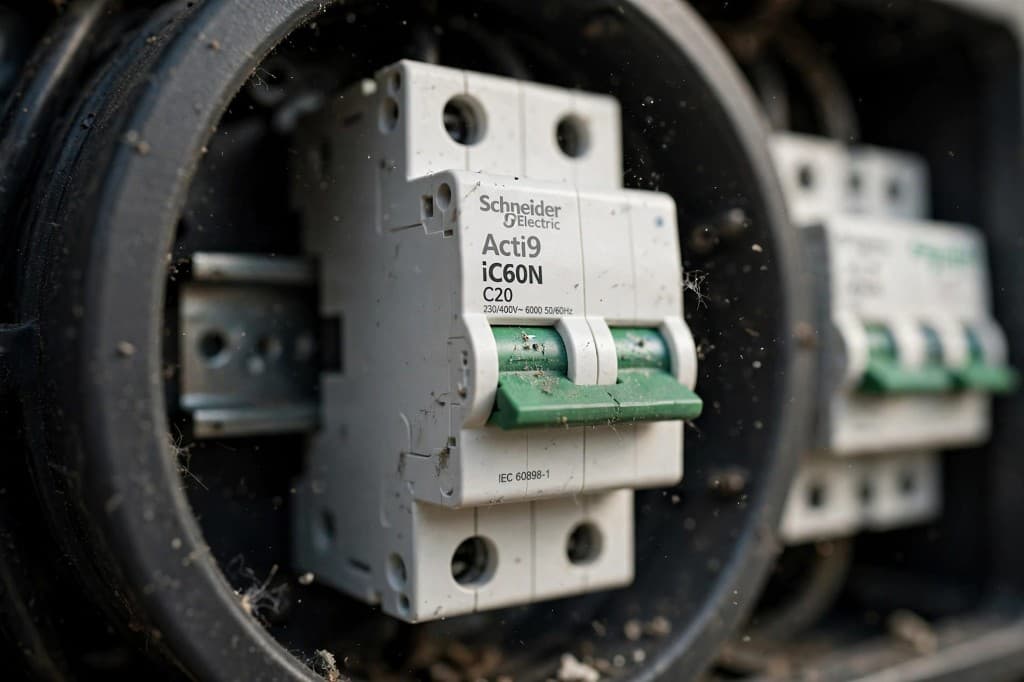
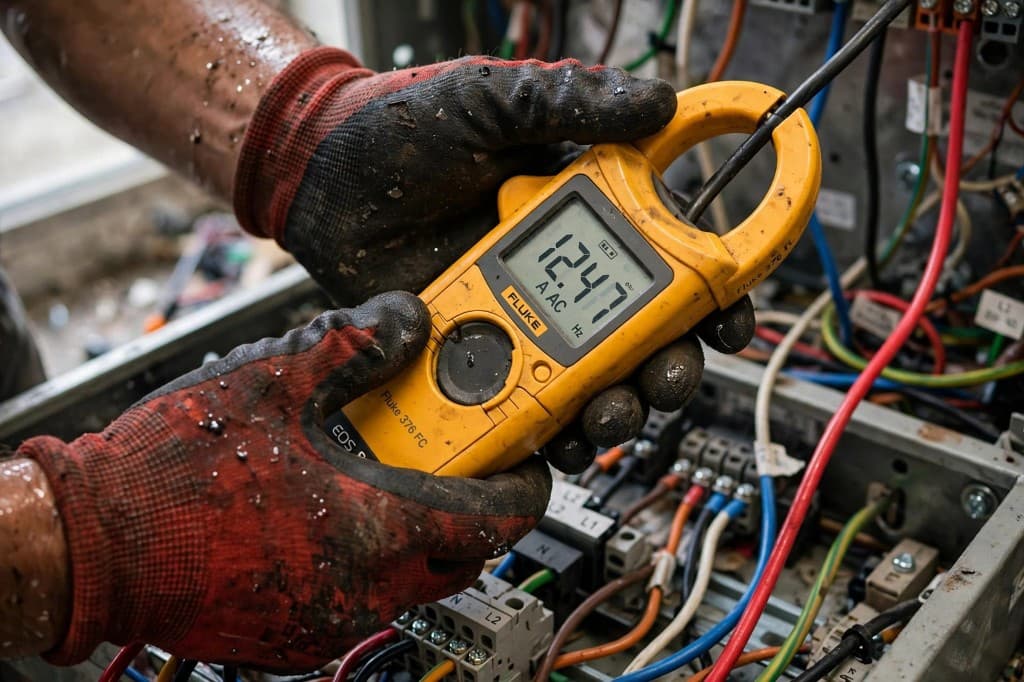
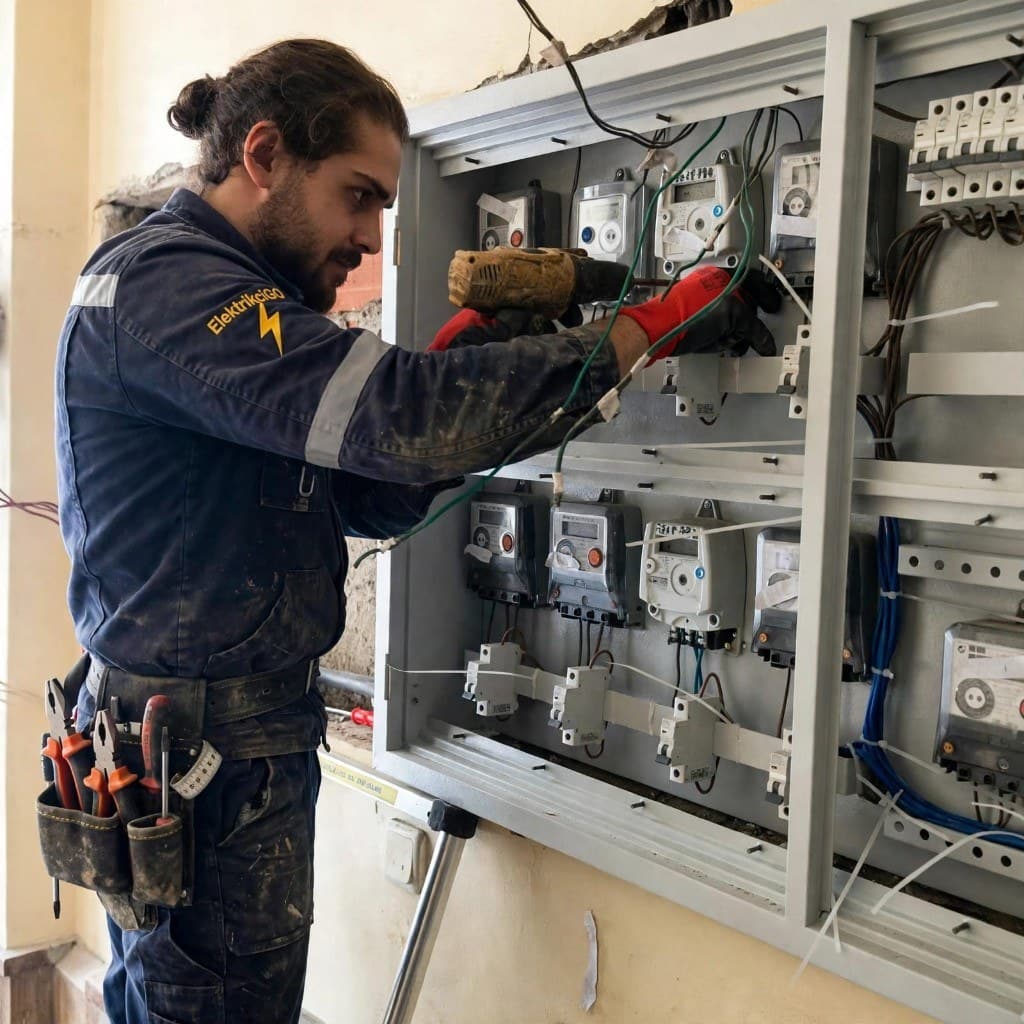
Yayla 24/7 emergency electrician. In this Tuzla neighbourhood we respond without a minute promise to midnight breaker tripping, residual current device faults, burnt sockets and consumer unit failures. In apartment and complex stock, saturated kitchen circuits, bathroom water heater runs and riser overheating are measured on site. Certified technicians, faults proven with a True-RMS clamp meter and a megohmmeter, written price approval and an official 1 year workmanship guarantee.
Founding master
Adnan Şemiye18 years in the field
MYK-certified master
Adnan Şemiye reads this job in the field. The price is written before work starts.
From the field
 Emergency van · +90 582 403 10 87
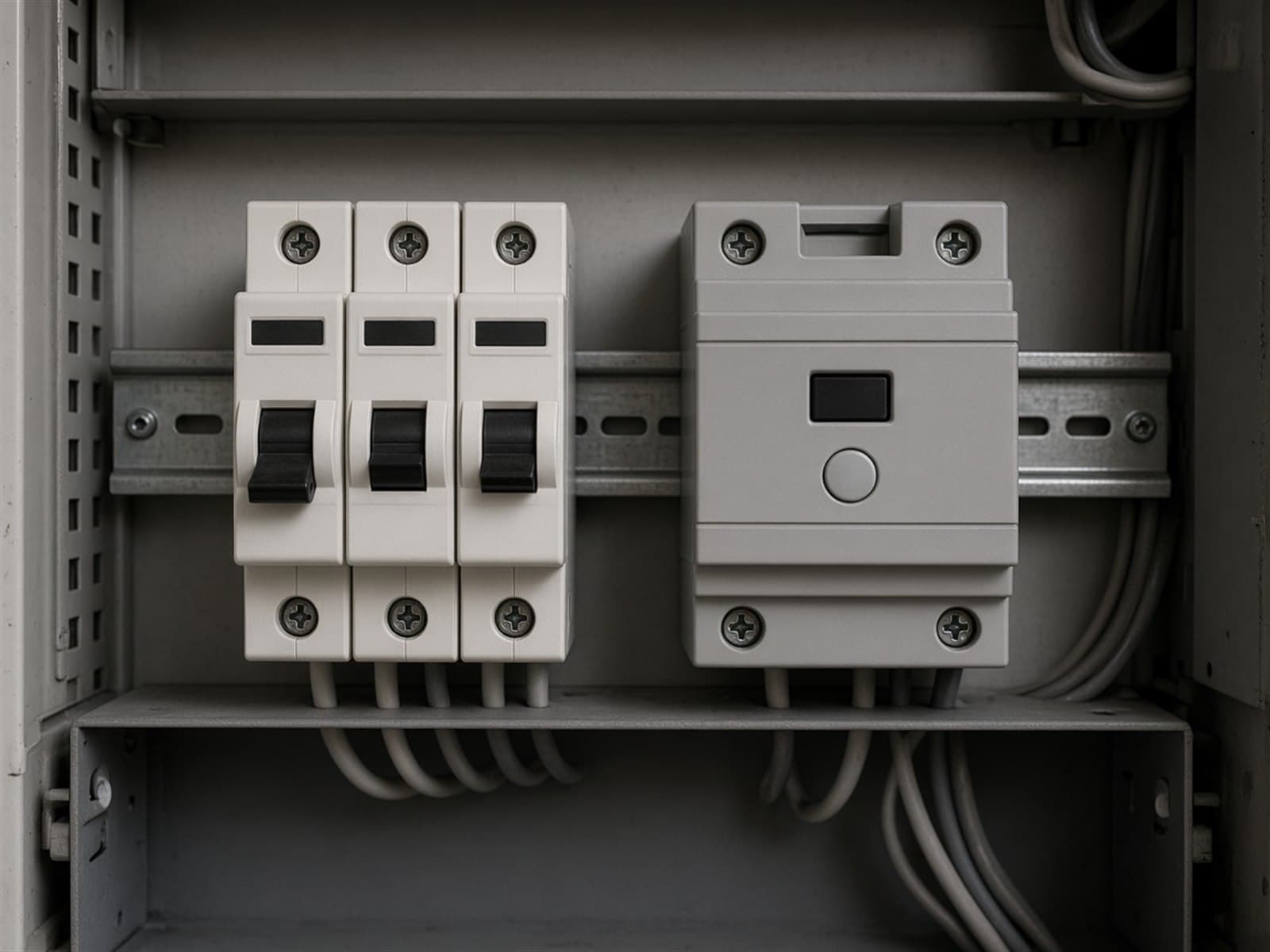
This call from Yayla usually comes in the morning and began the night before: 'There was a ticking sound from the living-room ceiling at night. In the morning we looked, water is dripping from two spots, there is a huge yellow stain on the board and one part is sagging. When we switched the light on the RCD tripped; we reset it, it tripped again. The neighbour upstairs had bathroom work going on, we told them.' Sometimes it comes later: 'The water has stopped but the spots still do not light, the RCD still trips when the light goes on.' There are two separate jobs in this description and they must not be mixed. The source of the water is in the flat above and that is the neighbour's and the plumber's job; electrical work done on the ceiling before the water is stopped gets wet again the next day. The electrician's job is what the water has done to the electrical installation. The RCD tripping when the light is switched on gives the diagnosis: the lighting circuit is under the RCD and somewhere on it there is a leakage path between phase and the protective conductor or earth; a wet spot, a flooded driver, a soaked ceiling junction box. Resetting the RCD again and again feeds that leakage back into the ceiling each time; as water and electricity keep meeting in the same cut-out the insulation degrades further and the metal spot housing or hanger wire inside the wet board becomes live. The worse case is the RCD not tripping at all: in many older flats the lighting circuit is not under the RCD. Then the water keeps coming, the RCD stays silent and whoever touches the dripping spot housing gets a shock. The first step is therefore clear: the living-room lighting breaker is switched off, the RCD is switched off, the wet spots and the dripping water are not touched, no metal bowl is placed under the spot to catch the water, the RCD is not reset on the idea that 'maybe it has passed'. The upstairs neighbour is told and the survey is awaited.
The path of the water in the ceiling is known and comes from how the installation was built. In these buildings the flat's lighting circuit runs inside the reinforced-concrete slab in conduits laid at the formwork stage; where the conduits meet there are round ceiling junction boxes cast into the slab. For a leak on the floor above these conduits and boxes are channels: water enters the conduit from the upper flat's screed and the cracks in the slab, flows inside the conduit and collects in the lower flat's ceiling box. When the gypsum false ceiling was built, the lines from these boxes to the spots were usually run without closing the box lid or by drilling through it; water pours from the box onto the top of the board. In the void above the board the water seeks the lowest point; that point is either a spot cut-out or a sagging joint in the board. At the spot cut-out two things sit behind the spot: the LED driver and the supply terminal. The driver is a small switch-mode power supply that converts mains voltage to the LED's current; when water gets inside it bridges the conductors on the board, the driver shorts or quietly dies, sometimes leaving a burnt smell. At the terminal, phase, neutral and the protective conductor sit a few millimetres apart; gypsum dust and concrete mixed with water make a conductive mud, and this mud builds a resistive path between phase and the protective conductor. When that path falls to a few kilohms the current through it reaches milliamps; the 30 mA RCD is there precisely to see that current, and it trips. The RCD tripping is not a fault but a warning. The other point the water reaches is the box itself: a flush box that stayed dry for years fills with water, the insulation of the tape and terminals inside it breaks down, old copper conductors take on green oxide. Even after the ceiling box has dried, the oxidised terminal inside it can keep the leakage going; that is why the complaint 'the water stopped, we changed the spot, the RCD still trips' is heard so often. The cooked false-ceiling transformer of the Bahçelievler note is a heat problem, the kitchen adaptor in Altıntepe fails from oil vapour, the metal bathroom ceiling in Fatih goes live from shower steam; Yayla's problem is liquid water from above, and it wets the whole route from the ceiling box to the spot cut-out.
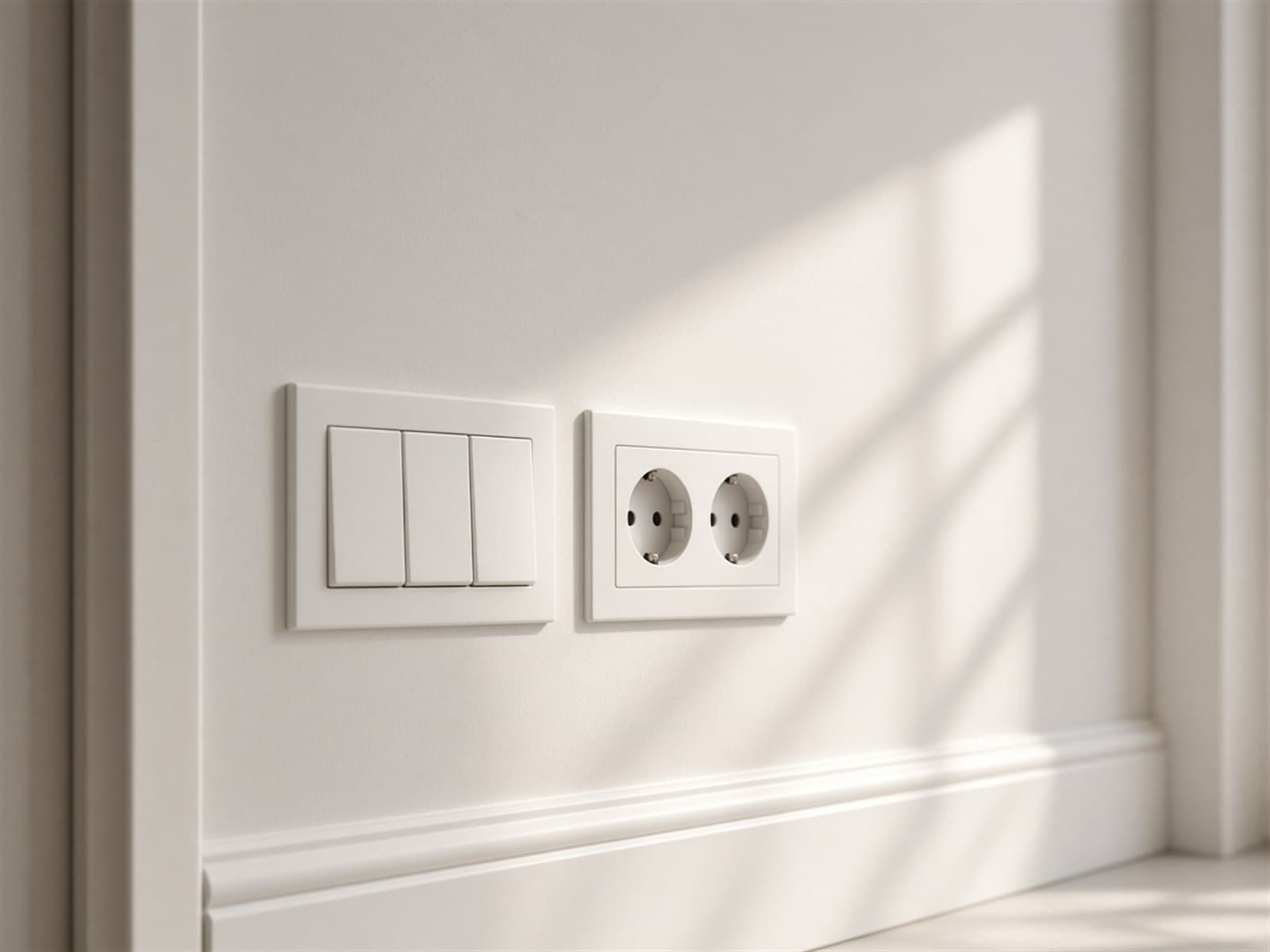
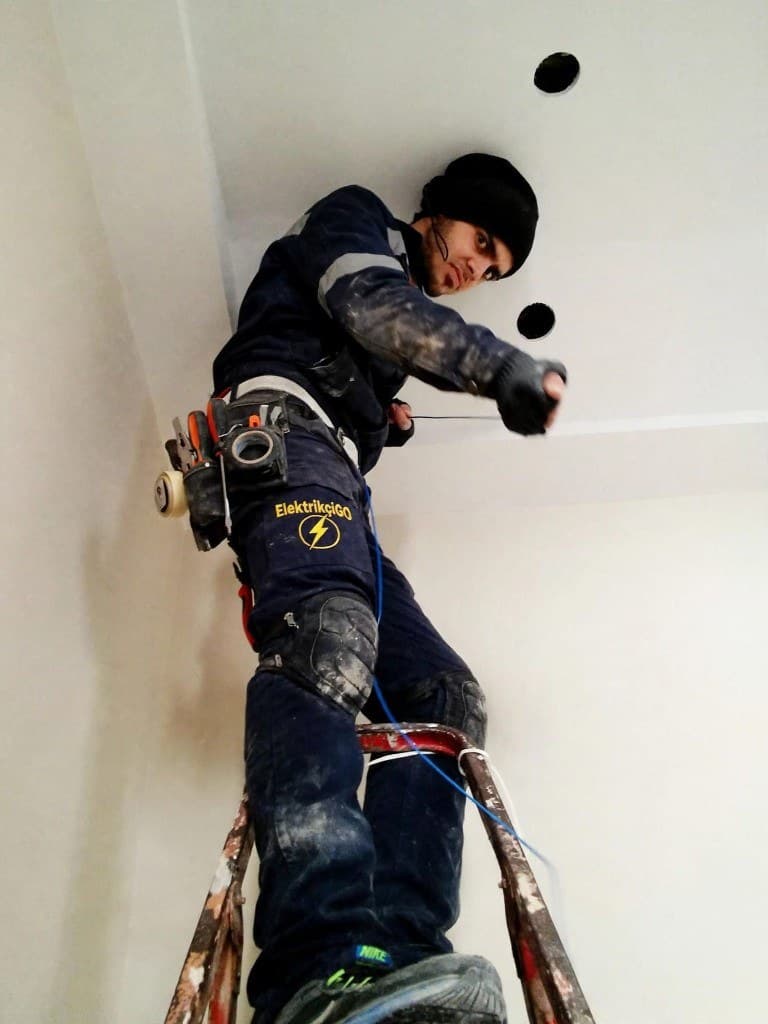
The survey starts at the panel. Which breaker feeds the living-room lighting, whether that circuit is under the RCD and which other circuits share that RCD are read. Whether the RCD trips when the light is switched on or trips continuously is asked; continuous tripping suggests the leakage is at a point before the switch, in the ceiling box or on the line to the switch. The circuit is switched off at the panel, a 'work in progress' tag goes on the breaker and absence of voltage is proven at the spot terminal with a two-pole tester; 'I saw zero on the multimeter' is not enough, the tester is first tried on a known live source. Only then are the wet spots touched. The spots are released from their springs and lowered, the driver and terminal behind them brought into daylight. The signs looked for are known: water inside the driver, white or green deposit on the board, gypsum mud in the terminal, green oxide on conductor ends, blistered insulation, water marks on the spot housing and hanger wires, softening at the cut edge of the board. From the spot cut-out a torch is shone over the top of the board: where is the water coming from, which way has it run, where is the ceiling box. If needed to reach the box, a spot cut-out is widened or a service hatch is cut in the board; the box lid is removed, the water inside drained, terminals and tape taken out. Then the measurement. With the spots and drivers disconnected from the line, separately with the switch off and on, insulation resistance phase–PE, neutral–PE and phase–neutral is measured at 500 V DC. It is not measured with the drivers connected; the test voltage damages the driver's input filter and the capacitors distort the reading. On a dry lighting circuit this value is tens of megohms; on a wet one it falls to kilohms. No circuit below one megohm is energised. The measurement also separates whether the leakage is at the spot, the box or in the conduit inside the slab: if the value rises once the spots are disconnected, the problem is the spots; if it is still low after the box is drained and the terminals removed, the water is inside the conduit and the circuit cannot be used until that conduit dries. The moisture of the board and the concrete is read with a moisture meter and written down; that figure gives both the drying time and which panels will be replaced. The neighbour is asked whether the leak upstairs has been stopped; if not, a survey report is written and the repair waits.
The repair starts with drying and does not finish without it. Once the water has stopped, the board void is ventilated; the spot cut-outs are left open and, if needed, a fan or a dehumidifier runs for a few days. Water left in the conduit inside the slab needs time; if the conduit has a fall it drains into the ceiling box, otherwise it waits to evaporate. During this time the circuit stays off at the panel and the owner is told how to light the living room temporarily: a floor lamp from a socket on another circuit, the extension lead nowhere near the ceiling. When drying is done, insulation is measured again; nothing is connected before it is above one megohm. Then the wet parts are replaced. An LED driver that has been in water is replaced even if it has dried; the deposit and corrosion on its board fail again a few months later, and the driver said to have 'dried and works' is the part that most often starts burning at night. The spot itself is replaced if it is waterlogged, its springs rusted or its housing stained; a model of the same size, suited to the ceiling depth, with a separate, replaceable driver is chosen. Terminals are renewed: a screw terminal that has seen gypsum mud is discarded, oxidised conductor ends are cut back to clean copper, ferrules are crimped on stranded ends, spring terminals are used. The cut-back is generous, because water standing in the box wicks by capillary action several centimetres inside the cable sheath, between the cores; a cable that looks dry outside can be wet at its end inside, and that wetness keeps the insulation reading low. The ceiling box and conduit mouths are dried with warm air before the insulation test. The inside of the ceiling box is cleaned, its terminals renewed and its lid closed; the lines to the spots are taken from the box's side entry or from a separate junction box, not by drilling the lid. The joints behind the spots are gathered so that they are never again lost inside the board: in a small lidded junction box within hand's reach of a spot cut-out; the box is not left lying on the board but hung from the concrete, outside the drip line of the ceiling box and conduit mouths, so that at the next leak water runs past the box rather than into it, and the ceiling is not torn down at the next fault. On the panel side, if the lighting circuit is not under the RCD it is brought under one; a 30 mA RCD on lighting provides the trip, the warning, in exactly the kind of wetting this note describes. Where possible the living-room lighting goes on its own small 30 mA RCD or RCBO instead of sharing one with the sockets, so that a wet ceiling does not leave the fridge in the dark. In the last step each spot is fitted one by one, the circuit is energised, the RCD is tried with the switch on and off using its test button and a tester, and all the spots lighting with the RCD staying in is seen.
Switch off the living-room lighting breaker and the RCD, do not touch the wet spots, do not reset the RCD, do not put a metal bowl under it. Tell the neighbour upstairs. The electrical work starts after the water is stopped and the survey is done.
The ceiling box and spot terminals are wet or oxidised, a driver has been in water, or water is standing in the conduit inside the slab. A 500 V insulation test with the drivers disconnected locates the leakage; the circuit is not energised before it rises above one megohm.
No. The deposit and corrosion on its board fail again a few months later, and it is usually the part that starts burning at night. A driver that has been in water is replaced; a spot with a separate, replaceable driver is chosen.
No. An IP65 fitting does not stop water pooling on top of the board and in the ceiling box; it only hides the symptom. The cure is closing the leak, drying, new terminals and drivers, a box with its lid closed and lighting under a 30 mA RCD.
The RCD does not trip, the water keeps coming and the wet spot housing goes live; whoever touches it gets a shock. In the repair the lighting is brought under a 30 mA RCD or its own RCBO.
No. The source of the leak is the upstairs owner's and the plumber's job, board and paint the fitter's. The electrician writes what was seen and measured in a report with photographs and repairs the electrical side.
There is no fixed minute. Istanbul 24/7. Arrival depends on the queue at that moment and E-5 and TEM traffic. A 30-minute claim is not invented.
Yes, we work 24/7 across Tuzla including Yayla, with no difference for nights, weekends or public holidays. Average arrival is no fixed minutes. In terraced buildings no drill or breaker is used after 22:00; the fault is located silently with a FLIR thermal imager and a cable tracer, and noisy permanent work is booked for the next working day.
No. Our first priority is getting the critical loads running safely. After isolating the faulty leg at the board, the technician restores the boiler, refrigerator and lighting circuits within the first ten minutes. If the concealed run is permanently broken, a temporary safe line is installed in fire-retardant trunking. The boiler is afterwards always moved to a dedicated circuit, because a faulty socket sharing that leg will stop it at midnight.
Yayla, Tuzla. The map is centered on the neighborhood. Arrival changes with the hour and the traffic.