The frame is priced off the label
I separate a Sirius hum from the coil voltage
A hum means the AC coil's magnet face is not seating fully. A hot body is usually a loose power terminal or a frame that is too small. In Istanbul panels I do not solve the two on the same screw. The price is written after the frame label. This page is not a quote.
On this page
I do not count hum and heat as the same fault
Sound is one thing, heat is another
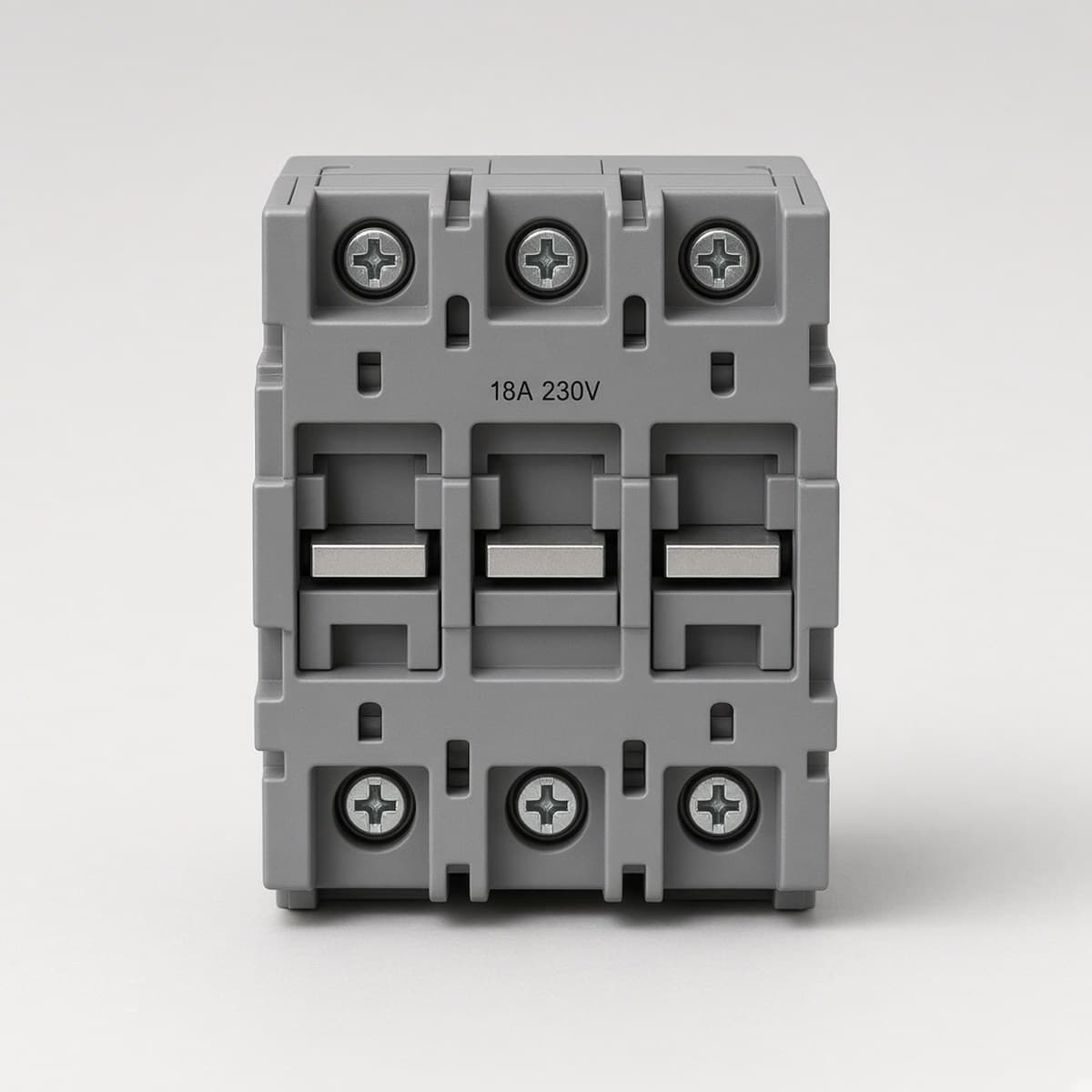
Hum is on the coil side. If the face is dirty, the shading ring is broken, or the voltage arriving at the coil is below its label, the magnet vibrates. Heat is on the power poles. A loose cable, a welded contact or a frame that is too small for continuous duty yellows the terminals. Changing the body because I heard a noise leaves the loose screw where it was.
If a DC coil hums I do not file it out of an AC habit. A DC coil seats with a different sound. I do not put a screwdriver to it before I read the voltage and the AC/DC letters on the label. 24 volt and 230 volt do not go on the same Sirius body. A coil of a similar colour does not confirm the right one.
I read the voltage from the coil, not from the supply
A1-A2, under load
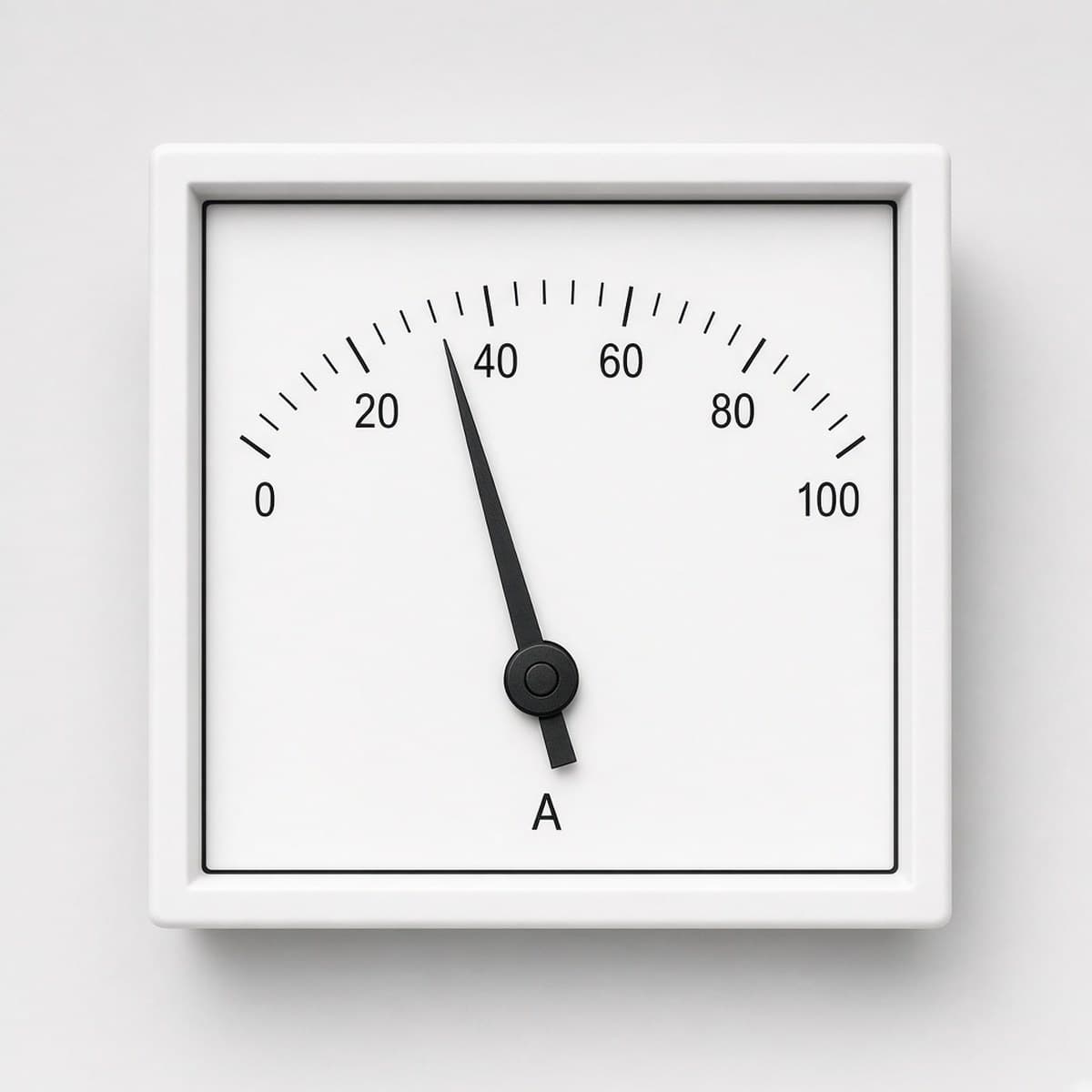
I measure the coil voltage between A1 and A2 while the contactor is pulling in. 230 volts at the panel inlet may not still be 230 at the end of twenty metres of thin control cable. Low voltage does not seat the magnet, and the hum comes from there. I do not bridge from another phase to raise the voltage. I measure the control transformer and the cable cross-section.
Rust and oil on the face leave a noise even when the voltage is right. Filing the face ruins the air gap and makes the noise louder the following week. I clean a dirty face. If the ring is broken the body changes. I do not finish a ring with solder. A Siemens body with a broken ring is not left as 'a little noise is normal'.
A hot terminal is not the rest of the noise
Screw, contact, frame size
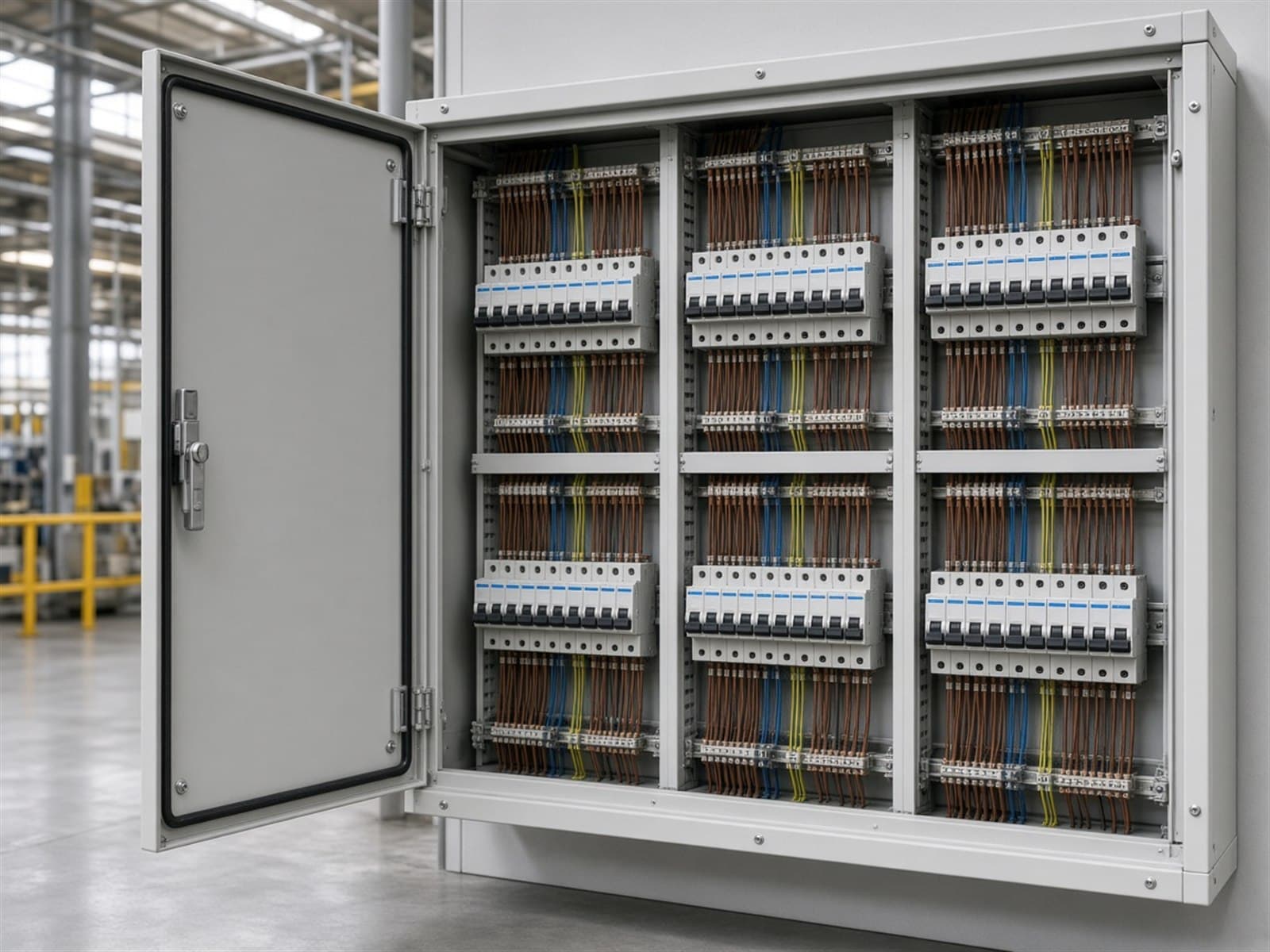
If a terminal is yellow I check the screw and the ferrule first. A loose ferrule heats even while the body is sound. If a contact has welded, the motor is not stopping. That job is separate from the hum, and a thermal overload alone does not undo a weld. If the frame is small for the motor current and the duty, it heats in continuous running. One size up is not fitted before the label is read. I do not leave a small frame because it 'will do'.
Temperature inside the panel also tires the frame. In summer, in a closed panel with the fan stopped, the labelled temperature is passed. I do not repair a fan by changing the contactor. I see that the air moves first. I measure the heat on the terminal, not with my hand. A power terminal is not touched with a wet hand. A pole screw is not tightened while the circuit is live.
Three hums in three panels
Long cable, dirty face, wrong coil
On a distant machine the hum is the voltage drop of a thin control cable. I do not change the coil from 230 to 24 before the cable is enlarged. In a workshop panel an oily face makes a noise even when the voltage is right. I wipe the oil. I do not throw the body away at once. In a third panel the coil is 24 volt and the circuit is 230. That body has burnt or is about to. The right coil arrives with the label, not with a colour.
All three meet on one page because they are Sirius. All three are not the same screw. The order does not change on the two sides of Istanbul. A neighbourhood name does not produce a new coil voltage. The job is an industrial panel. It does not get mixed with a socket cover.
The notebook gets the number, not the noise
Volts, terminal temperature, frame code
I write the A1-A2 voltage, the terminal temperature and the frame code. If the body has to change I read the code off the label and say the price after that. I do not say 'a Sirius is this much' on the phone. A 24 volt and a 230 volt, a small frame and a large frame, are not the same invoice.
Throwing the body away because I heard a hum leaves the loose screw in place. First the A1-A2 voltage, then the face, then the terminal temperature. I do not name a new Sirius code before all three are written. If 230 is on a 24 volt circuit, the body has burnt. I do not close that job as 'a little noise'. An oily face is wiped. A broken ring is replaced. No file. No bridge. A power screw is not tightened while live. In Istanbul I do not shorten this order by district.
If the body is hot I write the current first. Noise alone is not a part code. I do not name a price before the writing on the frame is read. On a plant that calls at night I use the same order. If the coil voltage has dropped I look for the source, not the body. An oily face is wiped. A broken ring is replaced. A loose terminal is tightened after the supply is off. A new contactor does not come off the shelf before the three notes are written.
The panel inlet can show 230 while the coil terminal has fallen to 180. The voltmeter on the panel door does not say that drop. The meter stays on A1-A2. The noise means something only then. I do not skip this measurement on an Istanbul industrial site.
I do not lock a price on the phone. The range I give is an estimate drawn from similar jobs. The binding figure is written after I have seen and measured the fault, before I start. Extra work does not begin without your approval. Payment is on completion, invoiced, in Turkish lira. Nights and public holidays are a separate rate, and I say so before I leave. We work as an approved technician network. I give you the arrival window for your district on the call, and a live location link is shared once the technician sets off.
Questions I hear on this fault
Questions I hear on this fault
Is a hum normal?
No. The noise stops when the magnet seats. I do not leave it as 'a little noise is fine'.
Should I file the face?
No. A file ruins the air gap and the noise grows a week later. Dirt is wiped. If the ring is broken the body changes.
Where do you measure the voltage?
Between A1 and A2, while the contactor is pulling in. The volts at the panel inlet may not be the coil's volts.
Can 24 volt and 230 volt get mixed?
If they do, the body burns. I read the label. Colour does not confirm the right coil.
Can a thin control cable cause a hum?
If it drops the voltage, yes. I do not change the coil voltage before the cable is enlarged.
Can it be bridged from a phase?
No. I do not raise the coil voltage by bridging from another phase.
Is a hot terminal part of the hum?
No. A yellow terminal is a loose ferrule or a small frame. Stopping the noise does not tighten the screw.
If a contact welds?
The motor does not stop. That is a separate job from the hum. A thermal overload does not undo a weld by itself.
Is a screw tightened while live?
No. A power terminal is not touched with a wet hand. The screw is tightened after the supply is off.
If the panel fan has stopped?
The body heats. I do not repair the fan by changing the contactor. The air has to move first.
Does a DC coil hum too?
The sound is different. Do not file it from an AC habit. I read the AC/DC letters on the label first.
Is the price clear on the phone?
No. The frame code is read off the label, and the price is written after that. 24 volt and 230 volt are not the same invoice.
Is this page a diagram?
No. I do not write which colour goes where. I read the terminal from the print on the body.
Does it change by district?
The measurement does not. The same order on both sides of Istanbul. What changes is the time on the road.
Is it a socket job?
No. A Sirius hum is an industrial panel. It is not closed with a socket cover.
Do you come at night?
The rate is separate and I say it before I leave. The order of the measurement is the same at night.
An approved technician network?
Yes. Central dispatch routes the call to the on-call technician for your area, and the technician who attends does the measurement. The queue and the traffic are said when you call.
Does an oily face get replaced?
It is wiped first. If the noise stops, the body stays. If the ring is broken, the body changes, not the oil.
Does a thermal overload stop the hum?
No. A thermal overload watches current. It does not fix how the magnet seats.
If we want a note?
I write the voltage, the terminal temperature and the frame code shortly. A site note, not a laboratory certificate.