Reading estimate 4,000–12,000 TRY
I do not raise an ET9420 setpoint while the probe is lying
The ET9420 is a temperature controller. The number on the screen is what the probe sees. It is not always the real temperature of the oven. A wrong type, a reversed thermocouple or a stuck output does not get fixed by raising the setpoint. On Istanbul lines I separate those by measuring. The reading estimate is 4,000–12,000 TRY, not a quote.
On this page
The oven can be wrong even when the screen looks right
Type, direction, place
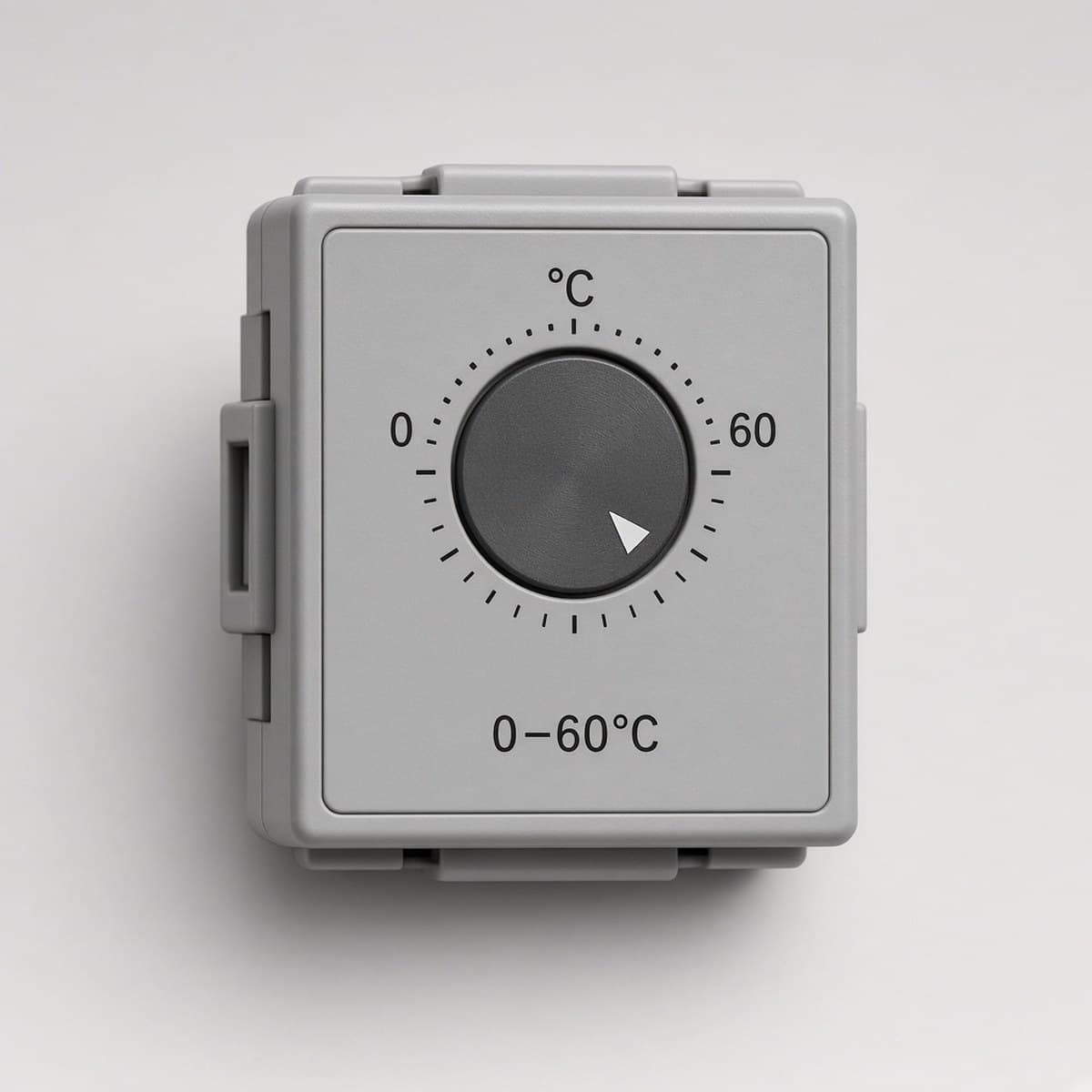
If the device is set to J and the line has a K probe, the screen is confident and the number is wrong. A PT100 and a thermocouple are not the same terminal. I read the type from the device menu and from the probe label, side by side. I do not change either from memory. A reversed thermocouple pulls the screen down while the heat rises. Raising the setpoint in that picture opens the heater further.
If the probe is hanging in the air, or stuck to the heater, the screen reads the air or the element, not the product. Entering an offset without moving the probe makes the lie permanent. I compare it with a second thermometer. If the two do not agree, the probe's place and type come first, then the device's calibration word. An offset is not for hiding a measured difference.
If the output sticks, the setpoint has no say
Relay, SSR, the safety
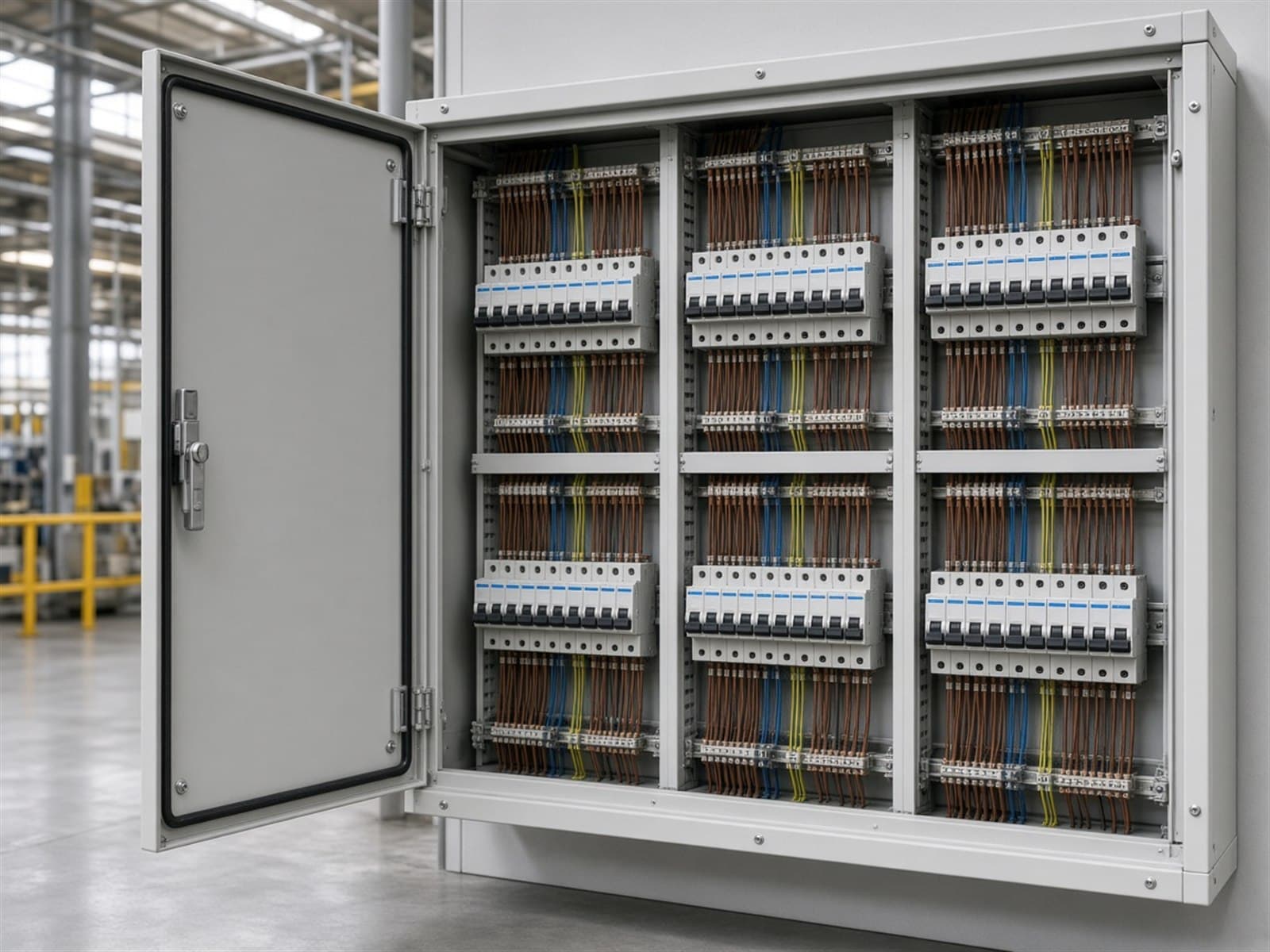
If a relay contact welds, the heater keeps running even when the screen says cut. If an SSR has shorted, the picture is the same and quieter. I do not solve it by lowering the setpoint. I disconnect the output from the device and measure that the heater is actually dead. This is why the safety thermostat exists. Bridging it hides a stuck output and leaves the oven unattended.
I do not write the terminal order on this page. The ET9420 print is on the device. A terminal memorised from the web fits the model beside it and leaves the heater on. I read the terminal from the print and match the probe type to the menu. Half a diagram is a fire in this job.
Autotune learns a lie in an empty oven
Door, load, time
If autotune runs with the oven empty or the door ajar, the PID memorises that state. A full oven then overshoots or heats late. I repeat the tune with the real product and the door closed, in the condition the maker describes. Loading today's product without clearing the memory carries yesterday's empty oven into today.
If the screen is steady and the product is burning, the probe is in the wrong place, not the device. If the product is cold and the screen is high, the probe is too close to the heater. In both I do not play with the setpoint. I correct the place, then I look with a second thermometer. The calibration word is not entered before that difference is measured.
Three lies on three lines
Wrong type, reversed terminal, stuck output
On a packaging line a wrong probe type shifts the screen by ten degrees and the operator raises the setpoint. The shift does not stop, because the type is still wrong. In an oven a reversed thermocouple drops the number while the heat rises. Raising the setpoint opens the element. On a third line the output is stuck. The screen is fine and the heater will not stop. I do not change all three as 'the device is dead'.
In Istanbul these three lines can stand side by side in one plant. I do not copy the page by district. The probe measurement is the same order in Pendik and on the other side of the city. What changes is the time on the road. The job is temperature control. It is not written onto a door-phone or a socket page.
The note holds the measured difference, not the setpoint
Type, difference, output
I write the probe type, the difference against the second thermometer, and whether the output really cuts. I do not say the device has to change before that difference is measured. 4,000–12,000 TRY is the reading band. A probe, an SSR or an element is approved separately. I do not lock a setpoint figure on the phone.
On packaging, a ten-degree shift does not stop by raising the setpoint before the type is corrected. In an oven a reversed terminal drops the number while the heat rises. On a third line the output is stuck and the screen stays quiet. I do not throw the device away at once in any of the three. I do not fit a spare ET9420 before the probe type, the second thermometer and a real output cut are written down. The safety thermostat is not bridged. Autotune is not run in an empty oven. The terminal order is not on this page. The print is on the device. In Istanbul I do not split this measurement by neighbourhood.
The number on the screen and the real heat inside the oven are written on the same line. I do not touch the setpoint before the two are separated. If the output is stuck I do not leave the heater on because the screen is quiet. If the probe cable sheath has melted I write the cable as well as the tip. Calibration is not entered while the probe is on the table. Offset does not hide a lie. If there is no second thermometer I do not close the job. In Istanbul those three notes are not left empty even when the line has stopped.
I do not tell a J type from a K type by the number on the screen. The letter on the print is written first, then the second thermometer. If a PT100 is three-wire, a missing wire holds the screen on a false steady value. I do not correct that steady value by raising the setpoint. In Istanbul I take this note even before the oven has cooled.
I do not lock a price on the phone. The range I give is an estimate drawn from similar jobs. The binding figure is written after I have seen and measured the fault, before I start. Extra work does not begin without your approval. Payment is on completion, invoiced, in Turkish lira. Nights and public holidays are a separate rate, and I say so before I leave. We work as an approved technician network. I give you the arrival window for your district on the call, and a live location link is shared once the technician sets off.
Questions I hear on this fault
Questions I hear on this fault
Does raising the setpoint fix it?
No. On a lying probe, raising the setpoint opens the heater further. I measure the type and the place first.
Are J and K the same terminal?
No. The type in the menu is read from the probe label. I do not change it from memory.
Is a PT100 a thermocouple?
No. Its terminal and its menu are separate. I do not fit one in place of the other.
What does a reversed probe do?
It drops the screen while the heat rises. Raising the setpoint then opens the element. I do not play with the setpoint before the terminal is turned.
Is an offset entered?
Not to hide a measured difference. After the place and the type are right, I look with a second thermometer.
How do you tell a stuck output?
The screen says cut and the heater keeps going. I disconnect the output from the device and measure that it is dead.
Is the safety thermostat bridged?
No. A bridge hides a stuck output. The safety stays in place.
Is the terminal order on this page?
No. I read the terminal from the print on the device. A memorised diagram fits the wrong model.
Can autotune run in an empty oven?
It memorises that state. A full oven then overshoots. The tune is repeated with the product in and the door closed.
Screen steady, product burning?
The probe is in the wrong place. I correct the place before I change the device. I do not play with the setpoint.
Is a second thermometer required?
Required to see the difference. I do not enter a calibration word on faith in one screen.
What is the price band?
4,000–12,000 TRY is the reading estimate. Probe, SSR and element are approved separately. It is not a quote.
Is there a district page?
No. The measurement is the same on both sides of Istanbul. A neighbourhood name does not produce a new probe type.
Is this a socket job?
No. Temperature control is a line panel. It is not closed with a socket cover.
Is it looked at at night?
The rate is separate and said in advance. The order of the probe measurement does not change.
Does one person come?
Yes. Central dispatch routes the call to the on-call technician for your area, and the technician who attends does the measurement.
Does the device change at once?
Not before the difference is measured. Most lies are in the type, the direction or a stuck output.
An open-cover photo?
The screen and the probe label are enough. Do not photograph the heater terminal while it is live.
Do you say the setpoint on the phone?
No. The setpoint is not locked before the probe is confirmed. The price is not locked on the phone either.
Do you write a note?
I write the type, the difference against the second thermometer, and whether the output cut, shortly. A site note.