Reading estimate 4,000–12,000 TRY
I do not treat an Omron Varispeed F7 OV as an OC at stop
OV says the voltage on the drive DC bus crossed its threshold. It usually arrives while stopping, on a high-inertia load, on a short deceleration ramp, or with an open brake resistor. In Istanbul I do not mix this letter with OC on a crane, a fan or a loaded conveyor. The reading estimate is 4,000–12,000 TRY, not a quote.
On this page
When OV stops, and when OC does
Stop, start, supply
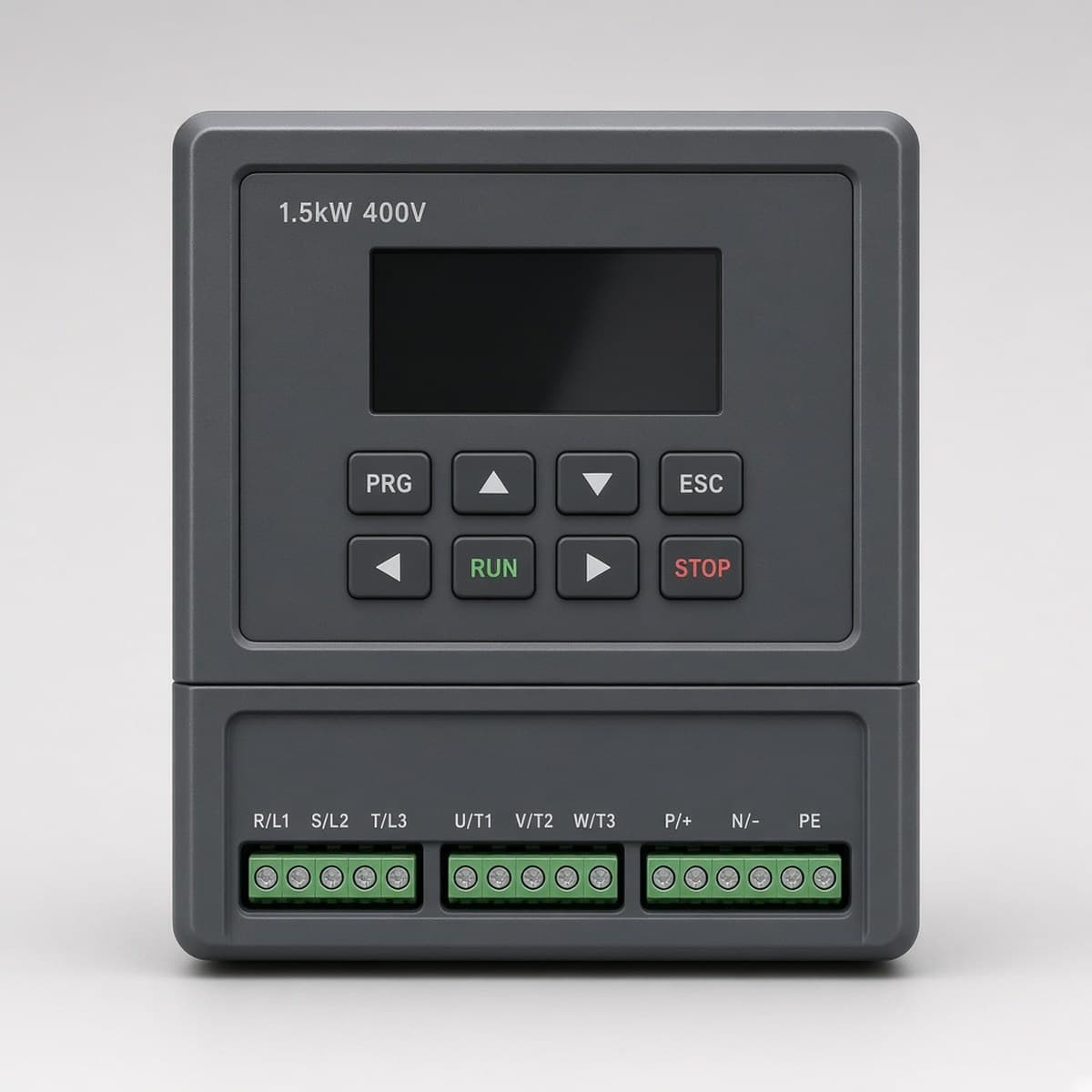
OV while stopping says the motor's returned energy could not be absorbed by the bus. A high-inertia load, a short ramp or an open brake resistor swells the bus and the F7 writes OV. A letter at start is usually OC, not OV. I do not close the two with one parameter. A sudden rise on the supply can also write OV. I measure the three incoming phases first, then I move to the ramp.
UV is undervoltage. OC is overcurrent. GF is a ground fault. I do not write the four as one line that says the drive faulted. I read the letters from the photo. If I see OV I do not raise the current threshold. That threshold belongs to OC. It does not silence bus voltage at stop. It heats the cable.
The three records I want on the phone
Letters, moment, resistor
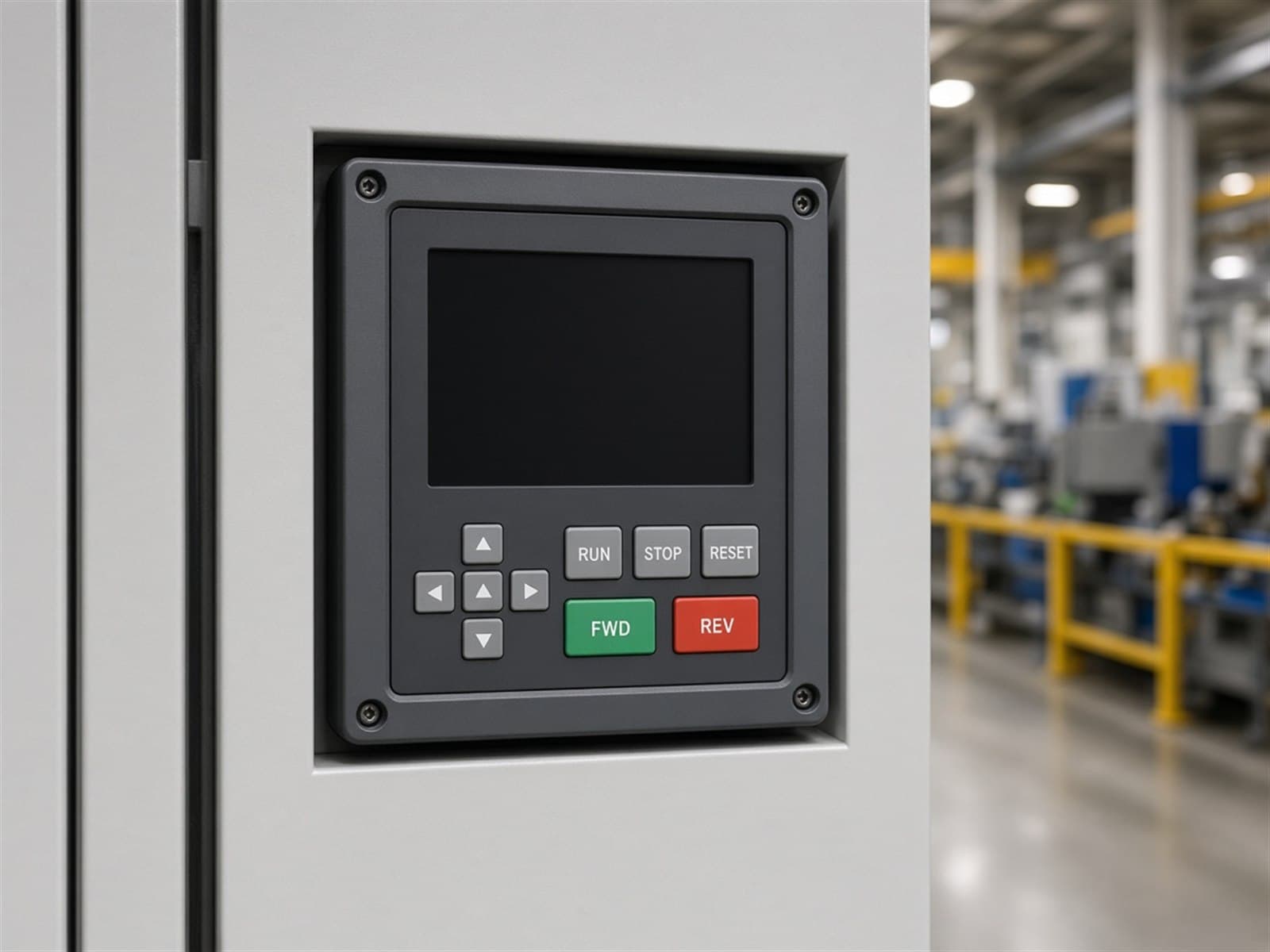
I want every letter on the display, whether the code came at stop or at start, and the brake-resistor label. One reset is possible if there is no smell. If the same OV returns, the finger comes off. I do not have an Istanbul crane reset again and again from the phone. The operator's good intention puts the bus capacitor into a second fault.
I do not have the cover opened. An F7 DC bus does not empty the moment the supply is cut. Do not photograph the inside with a torch. Cover closed, display read, resistor terminals seen from outside. This page does not write a terminal order or a parameter number. A wrong terminal saves OV for the next stop.
The brake resistor is part of the stop
Open, hot, wrong ohms
Dynamic braking turns the energy returning to the bus into heat in the resistor. If the resistor is open the bus swells and writes OV. If the resistor has overheated and its ohms have drifted, the same letters arrive late. Ohms are read from the drive family and the motor kW label. A resistor from a similar frame is not fitted. On an F7, B1-B2 or the terminals the maker wrote are checked for continuity with the cover closed. No continuity means the resistor is open.
An external resistor sits outside the panel, on a grille. Oil, dust and a closed box choke it. A choked resistor heats, ohms drift, OV returns. On a small frame with an internal resistor and no separate terminals, the drive's own unit is read. If there is no unit and the stop is on a short ramp, the ramp is lengthened first, then an external resistor is discussed. Raising a threshold before a resistor is fitted hides the bus voltage.
The deceleration ramp is part of the load
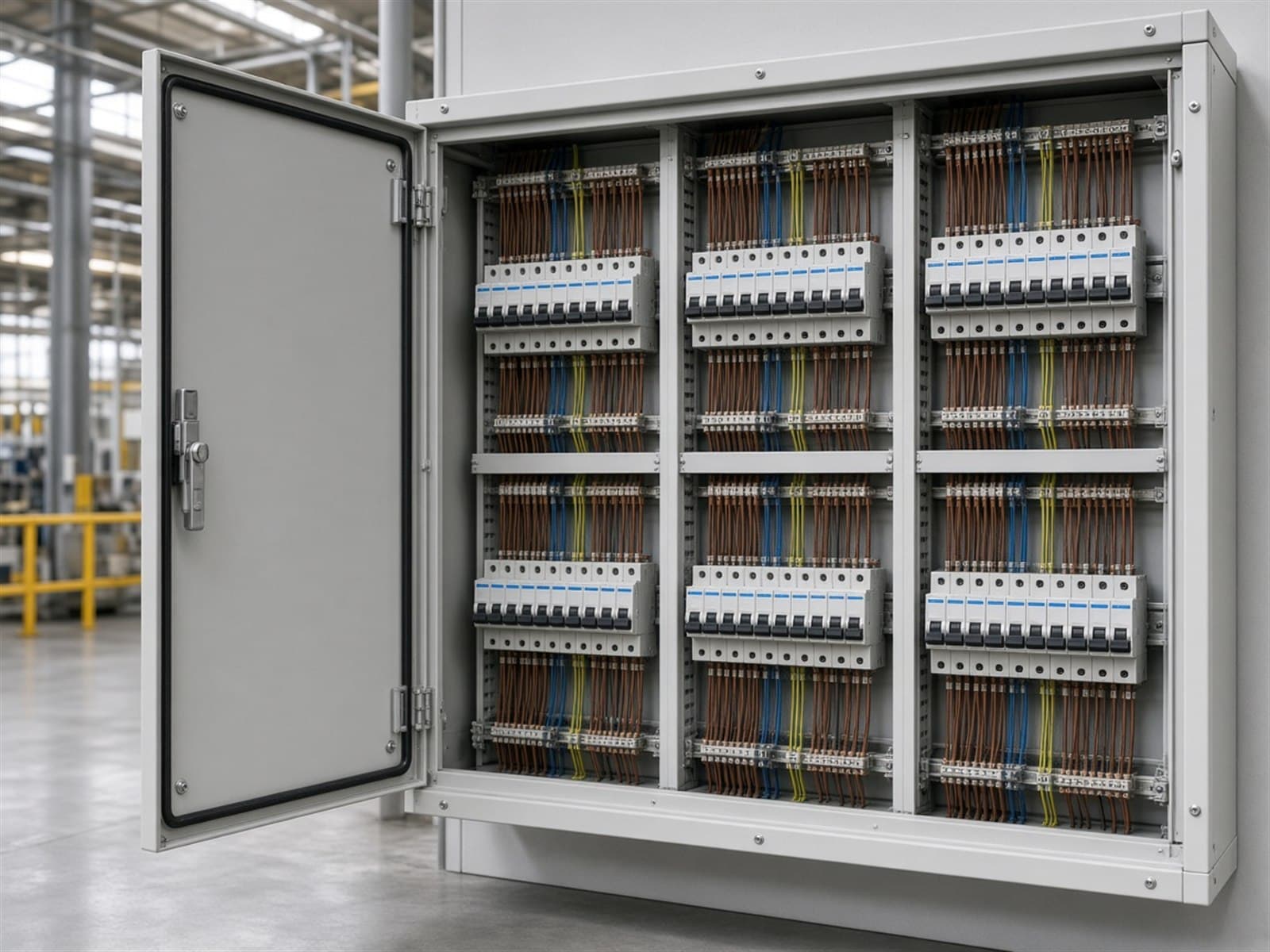
Crane, fan, conveyor
A short deceleration jams a high-inertia load into the bus. On a crane a loaded hook writes OV at stop. If a fan impeller is free and the stop is not lengthened, the same letters arrive. A loaded conveyor returns more energy than an empty one. I do not bury the three in the same second. I read the ramp from the load. I do not pull it down. Pulling it down stops the line fast. It produces OV. It does not hide it.
The S-curve and the stop type are read with the ramp. A sudden stop command ignores the ramp and writes OV. A sudden stop from the PLC is not the emergency stop. The emergency stop is a mechanical chain, not a parameter. An output is not bridged before the PLC stop flag is seen. Autotune on an F7 is not run on an empty shaft. An empty-shaft stop does not teach the OV of a loaded shaft.
Supply and bus are read separately
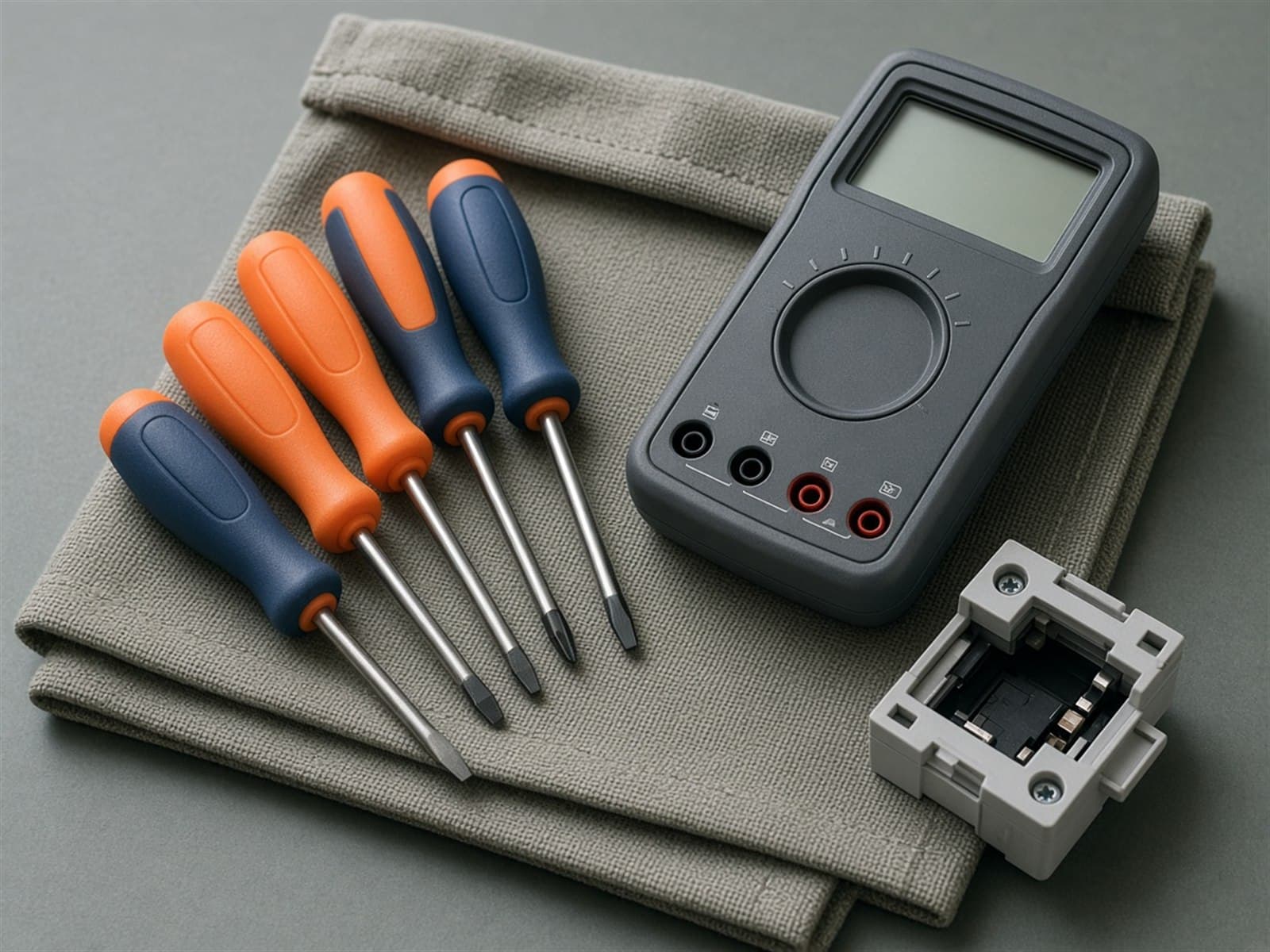
Three phases, compensation, a neighbouring drive
If incoming voltage is already over the threshold, OV is from the supply, not the ramp. An over-compensated compensation panel swells the bus. Schneider or Siemens compensation is not fitted on the drive output; it sits on the supply side. If a neighbouring large drive's regeneration lifts the same transformer, the F7 writes OV. Incoming three-phase first, then its own ramp, then the resistor.
NYY is a panel feed. On a long motor run the cable is screened. NYA is not left between drive and motor. A long unscreened run glitches PLC inputs. It does not write OV; that is another page. On this page NYY's job is incoming cross-section and torque. A loose terminal heats, voltage drops, UV is written. It is not mixed with OV.
A regenerative drive or a common bus is a topology the F7 does not solve alone. On a common bus, stop energy goes to the neighbour, and OV can write on that unit. On a single drive with no chopper and no external resistor, the ramp is lengthened. A chopper board is not changed from a smell. Resistor continuity first, then the chopper output, then the board. A PLC stop flag does not replace the drive OV code. The flag asks for a stop. It does not swallow bus voltage.
Pulling switching frequency to the ceiling shortens the noise and heats the IGBT and the resistor. A hot resistor loses ohms, and OV arrives early on the next stop. I do not raise the frequency so that it sounds quiet. On the F7 family, motor kW, resistor ohms and ramp seconds sit on the same line. If one is empty the stop is not tried. That line does not change with a neighbourhood name.
I do not change a board from a smell
Bus, IGBT, resistor order
If OV returns and a smell appears, the power stage is discussed, not another reset. Resistor and ramp must be clean first. If a bus capacitor is swollen the cover opens once discharge is confirmed. A capacitor is not felt with a finger. An IGBT burns more from OC and a shorted output than from OV. OV alone is not a board verdict.
A spare F7 is not fitted because it sits on the shelf. Without the motor plate, the ramp, the brake unit and the switching frequency moving with it, the first stop writes OV again. A factory reset wipes the ramp and the brake enable. I do not press the factory menu so that OV will reset and recover.
No second stop before the check
Letters, ramp, resistor, incoming
The list is short and is not skipped. Are the letters OV or OC. Is there a smell. Did the code come at stop. Does the brake resistor show continuity. Is the ramp against the load. Is incoming three-phase under the threshold. If one box is empty, no energy. On a Pendik, Tuzla or İkitelli panel the order is the same. A neighbourhood name does not invent a new OV.
If the resistor grille sits under oil and swarf, the grille is cleaned first, then ohms are read. A dirty grille fakes an open circuit. Cleaning is done dead and cold. A wet cloth does not touch the resistor. The external resistor's cable is read against the current on the drive label. A thin core heats, ohms drift, OV arrives early. That is not an amp-raising job. It is a cross-section job.
A loaded crane hook is not given a stop test before it is lowered. A loaded hook lies about the empty hook's ramp. A fan stop with the damper closed is not the same as an open damper. I do not say stop it once more before the conveyor is emptied. All three loads can sit side by side on an Istanbul industrial estate. The page is still one page. The measurement still walks in the same order.
What lands in the notebook at the close
Letters, ohms, ramp, approval
I write whether it was OV or OC, the resistor ohms, the ramp seconds and the incoming voltage. If the resistor or the drive has to change I take a separate approval. 4,000–12,000 TRY is the reading band. Material sits outside it.
On a crane OV is usually a loaded hook and a short stop. On a fan it is a free impeller and a short ramp. On a conveyor it is a loaded belt. The letters are the same in all three. The screw is not. If I see OC these sentences stop. There is no start until the motor cable is measured. In Istanbul I do not ask the operator for a second reset.
If the brake resistor is hot and the grille is oily the job is not finished. The book does not close until the grille is clean, ohms match the label, the ramp matches the load and incoming voltage sits under the threshold. If those four lines are empty the board is not discussed. The same four lines hold on a night call in Istanbul. There is no promise of a minute. Queue and traffic are said when you call.
I do not lock a price on the phone. The range I give is an estimate drawn from similar jobs. The binding figure is written after I have seen and measured the fault, before I start. Extra work does not begin without your approval. Payment is on completion, invoiced, in Turkish lira. Nights and public holidays are a separate rate, and I say so before I leave. We work as an approved technician network. I give you the arrival window for your district on the call, and a live location link is shared once the technician sets off.
Questions I hear on this fault
Questions I hear on this fault
Are OV and OC the same button?
No. OV is bus voltage at stop. OC is a current threshold. I do not bury the two in one parameter.
If the brake resistor is open?
The bus swells and writes OV. No continuity means the resistor is open. Ohms from a similar frame are not fitted.
Should we shorten the ramp?
No. A short stop writes OV. I read the ramp from the load. I do not pull it down.
Should we raise the current threshold?
No. That threshold belongs to OC. It does not hide OV. It heats the cable.
Can I open the cover?
No. The bus can stay charged after the supply is cut. I open the cover once discharge is confirmed.
Is one reset enough?
Once if there is no smell. If it returns, stop. A second reset tries the bus capacitor.
Why does a crane write OV?
A loaded hook and a short stop. Ramp first, then the resistor. I do not write a drive fault before the hook is emptied.
OV on a fan?
If a free impeller is not given a long stop the bus swells. I do not lock the impeller with a parameter.
OV on a conveyor?
A loaded belt returns more energy than an empty one. I read the ramp against the loaded state.
If the supply is high?
Incoming three-phase first. If it is high, OV is not from the ramp. Compensation and a neighbouring drive are read.
Compensation on the drive output?
No. Compensation sits on the supply side. A capacitor on the output looks like a short to the switching edge.
Does a factory reset clear OV?
No. Ramp and brake enable go. Without rewriting the plate the first stop brings the same letters.
Can a spare F7 be fitted?
Not before the motor data, the ramp and the brake unit move with it.
Is this page a diagram?
No. I do not write a terminal order or a parameter number. I read the terminal off the label.
Can NYY be the motor cable?
A short run sometimes carries it. On a long run the cable is screened. NYA is not left.
Is there a separate district page?
No. The measurement is the same on both sides of Istanbul. A neighbourhood name does not invent a new OV.
Does an intercom technician come?
No. OV is an industrial panel code.
Night rate?
The measurement does not change. The rate does. I say the difference before I leave. No second reset at night either.
Does one person come?
Yes. The person who answers measures. No broker. Arrival depends on traffic.
Do you write a note?
If you want, I write the letters, the ohms and the ramp shortly. A site note.
Should the photo show an open cover?
No. Display and resistor label, cover closed.
What is the price band for?
4,000–12,000 TRY is the reading and measurement estimate. Resistor and board are approved separately.
When does the chopper board change?
When resistor continuity and the ramp are clean and the chopper output points at the board. Not from a smell. On a common bus the neighbour is read first.
Does a PLC stop clear OV?
No. The flag asks for a stop. It does not swallow bus voltage. The flag is not discussed before ramp and resistor are clean.